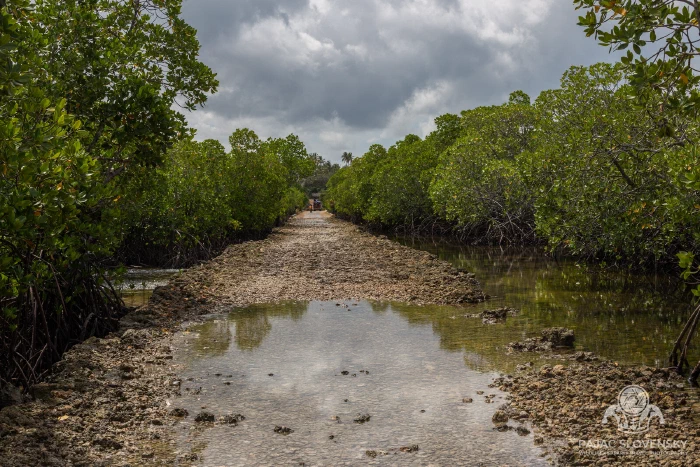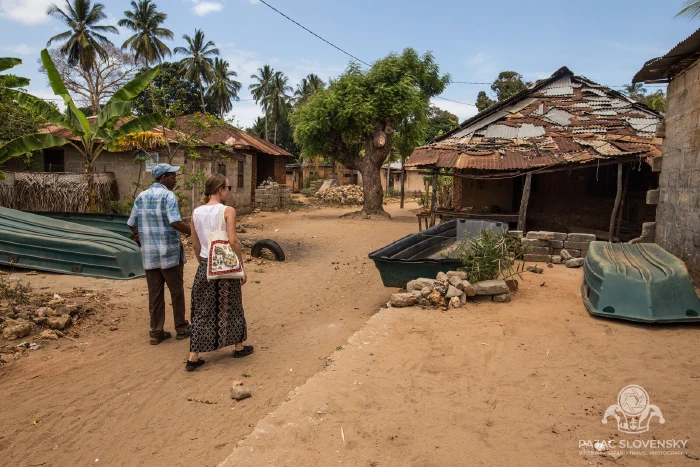
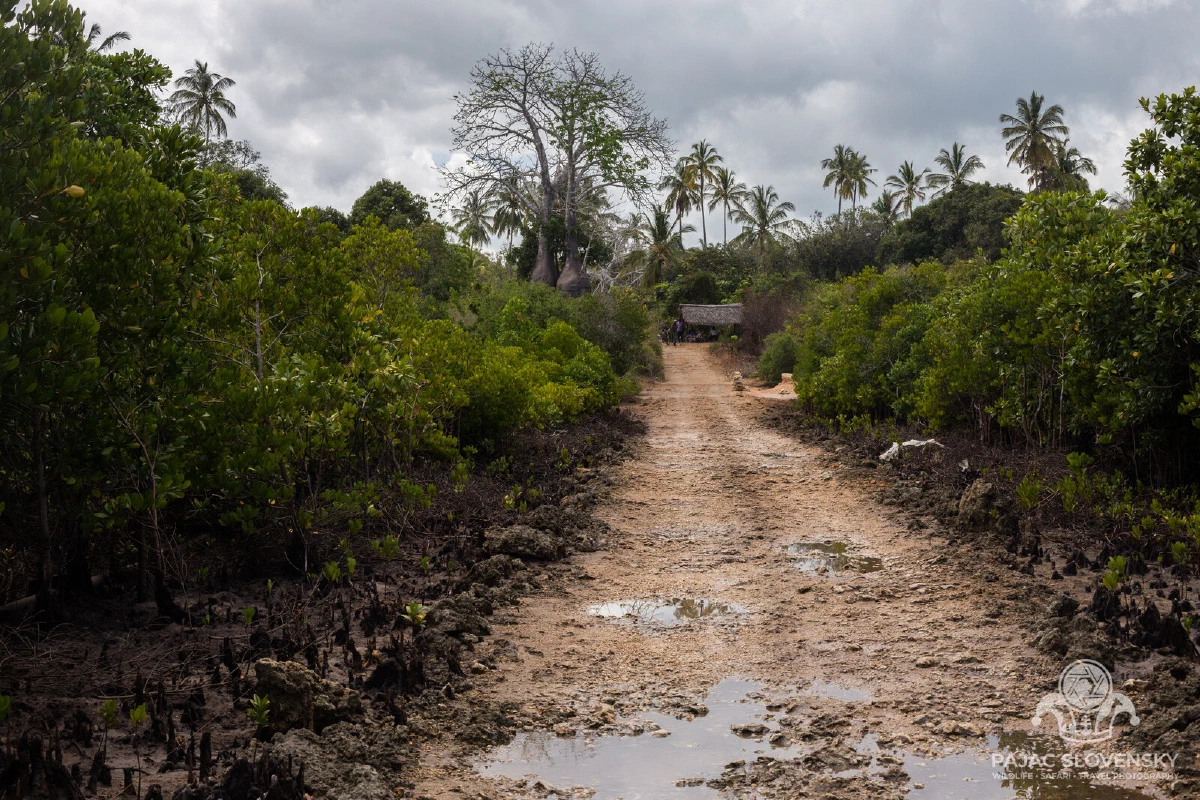
There is a road in Zanzibar that the Indian Ocean erases twice a day. It runs south from Unguja Ukuu through a kilometre of mangrove forest — a causeway of packed coral rag and mud, built up by hand over generations — and at high tide it simply is not there. On the far end of it lives an island of a few thousand people that most visitors to Zanzibar never hear of. On 18 October 2016 we crossed it, on foot, with the morning tide still draining out of the mangroves.
Click a pin to browse photos from each stage of the day.
Starting at the Beginning of Everything
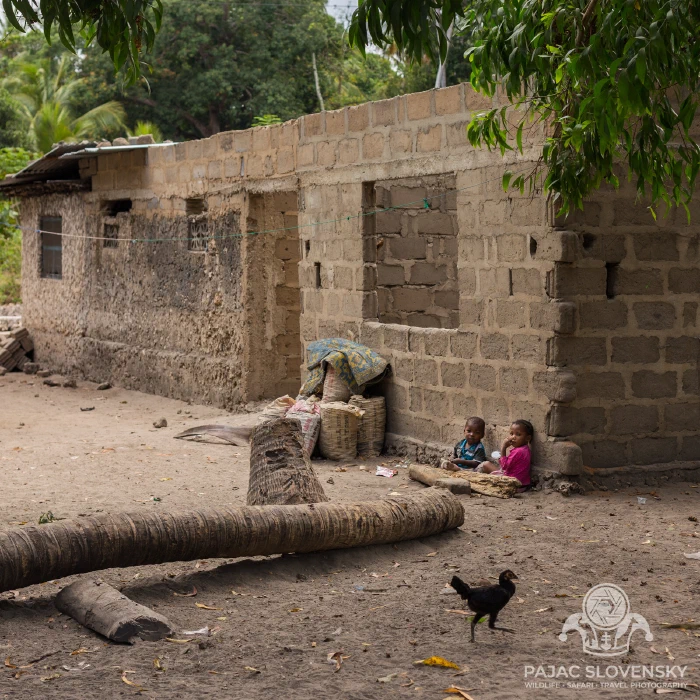
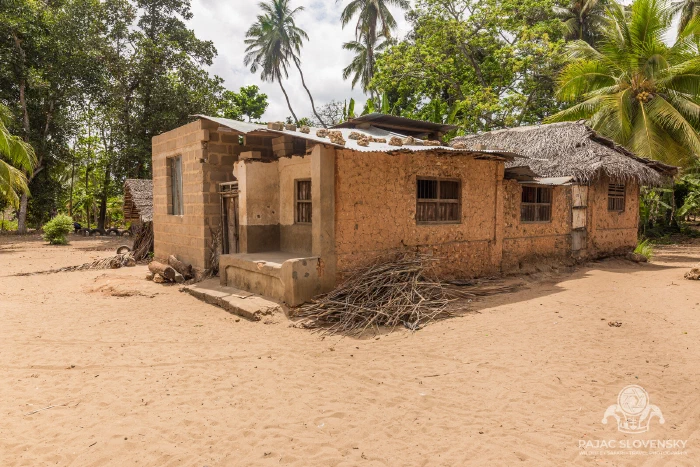
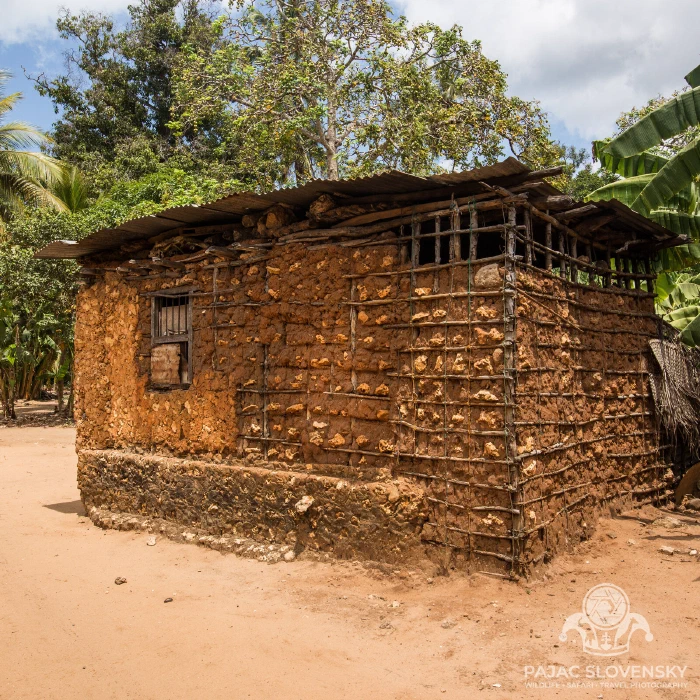
The expedition began, fittingly, at Unguja Ukuu — a quiet village of coral-stone houses and makuti-thatched huts that happens to sit on one of the oldest known Swahili settlements anywhere on the coast. Over a thousand years ago this was a trading town doing business with the Persian Gulf and beyond; today, chickens patrol the yards and children watched us pass with polite curiosity. Zanzibar’s history has a habit of lying around underfoot like this, unlabelled.
From the village the track drops toward the mangroves, and the day’s first decision gets made for you: the tide table is the timetable. Cross too late and the sea takes the road back.
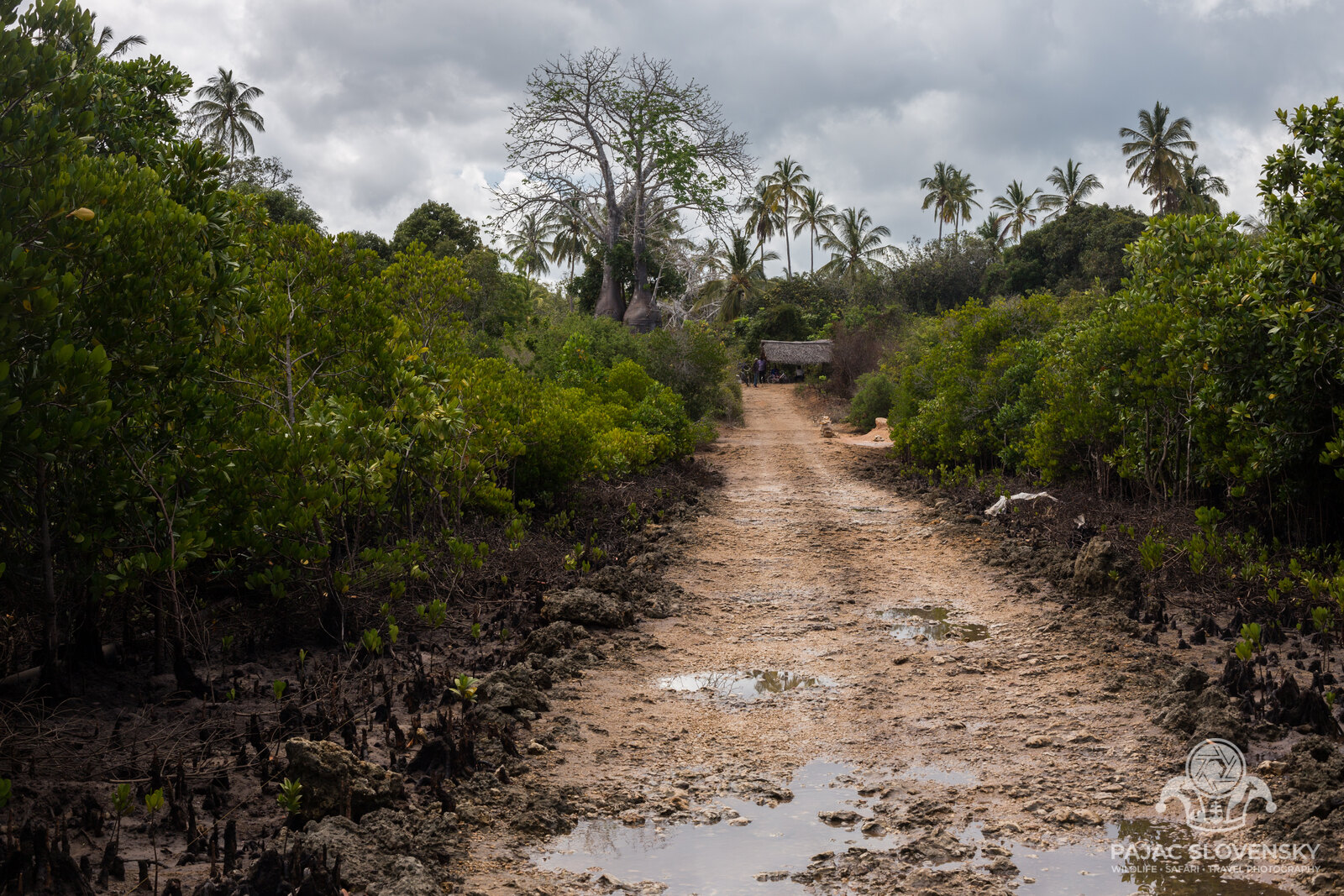
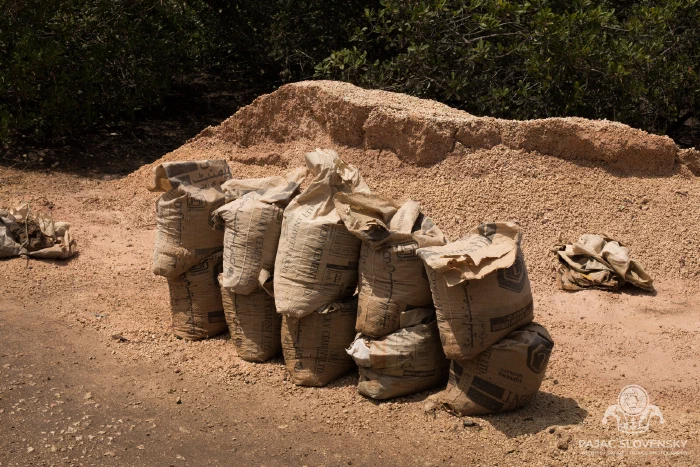
The crossing itself is otherworldly. Mangrove walls close in on both sides; crabs work the mud; the track is rutted by bicycle tyres and ox-cart wheels rather than cars. Sacks of charcoal stood stacked at intervals along the way — mangrove wood burned slowly in earthen kilns, the island’s cash crop headed for Stone Town’s cooking fires.
An Island That Works for a Living
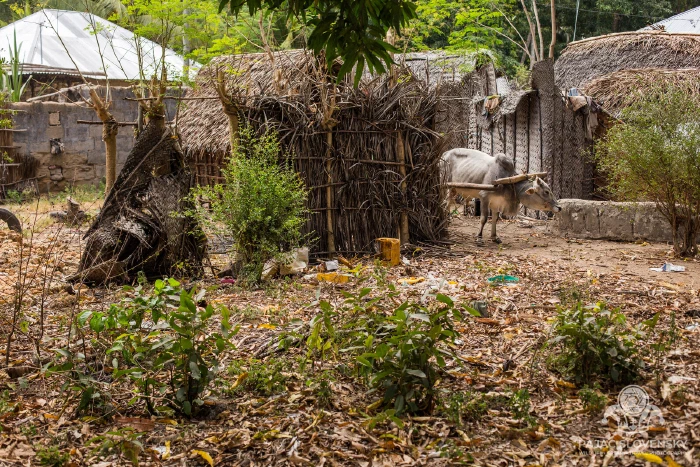
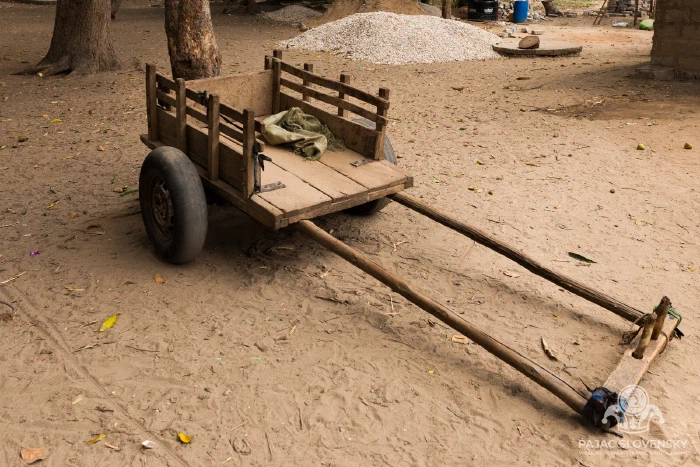
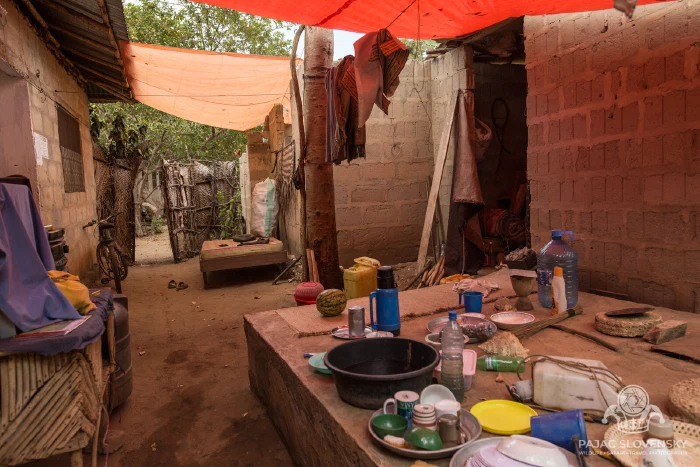
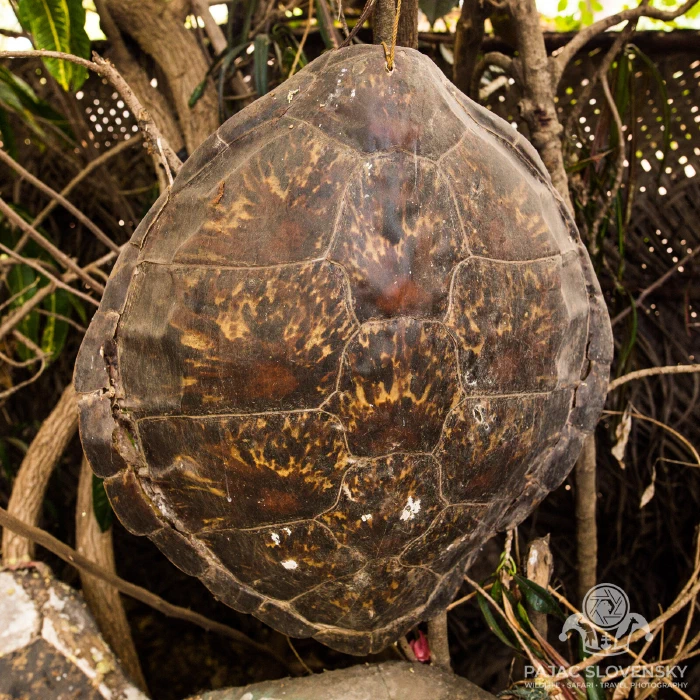
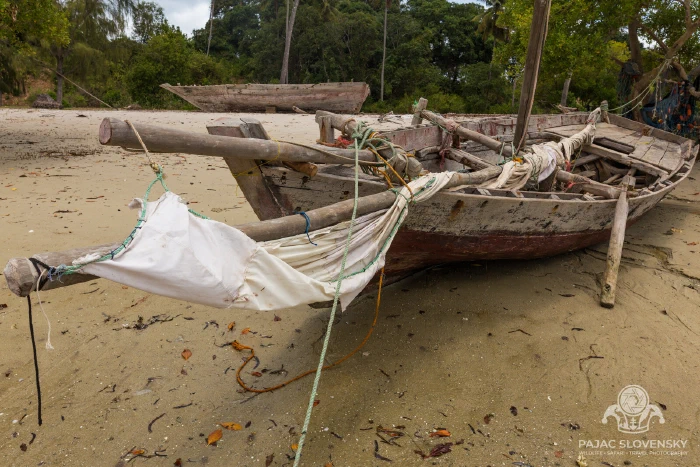
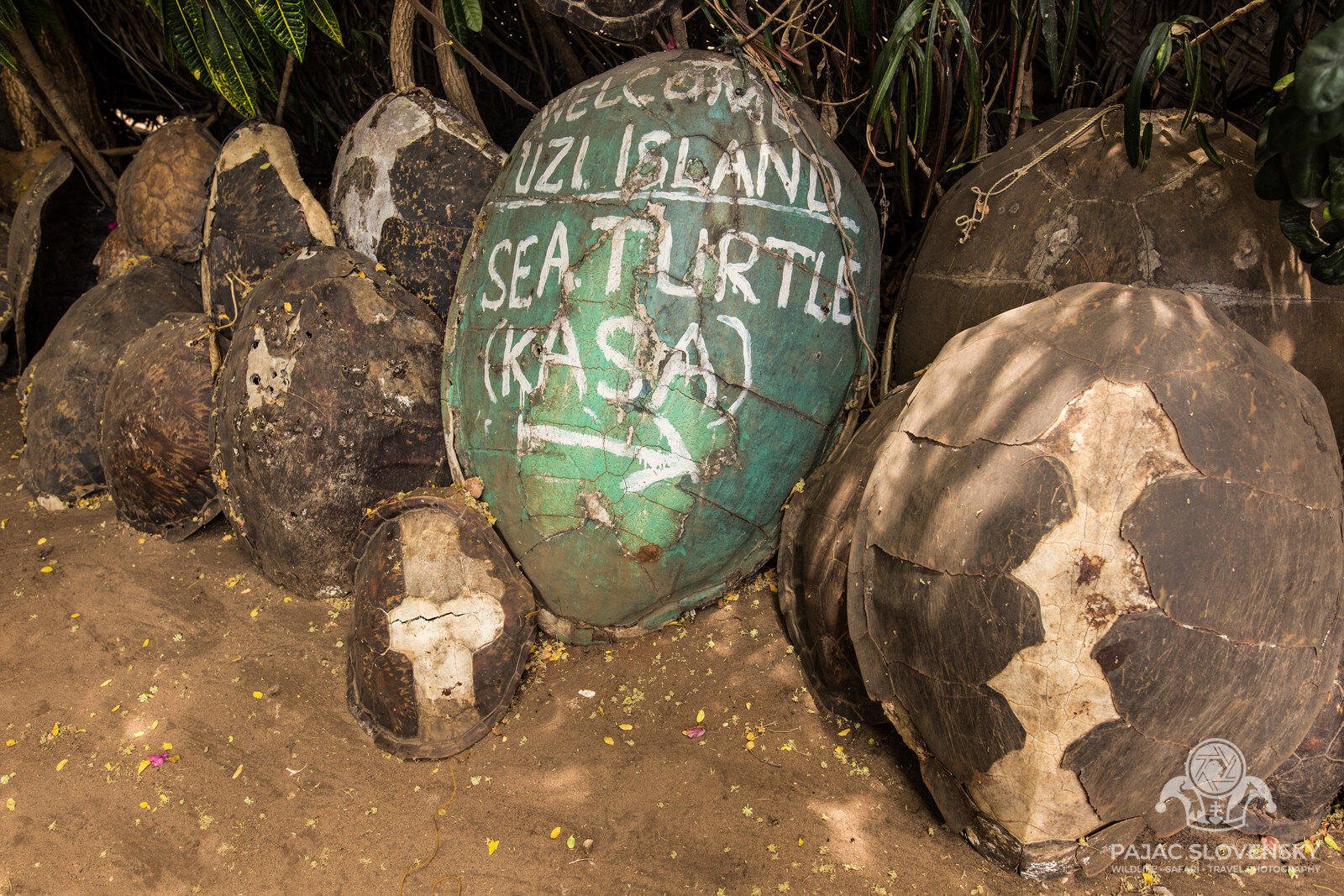
Uzi is not a resort island. There is no hotel, no beach bar, no souvenir stand. What there is, everywhere, is work: seaweed spread out to dry in russet mats between the houses — grown on lines out on the flats, mostly by the island’s women, and sold for export to become cosmetics and food thickener; ox-carts resting in the shade; fishing nets draped over ngalawa outriggers above the tideline. The village’s one concession to visitors is its welcome sign, and it is the best welcome sign I have ever photographed: the words painted across a row of old sea-turtle carapaces — Welcome Uzi Island — Sea Turtle (Kasa) — pointing the way to the small turtle sanctuary the villagers keep.
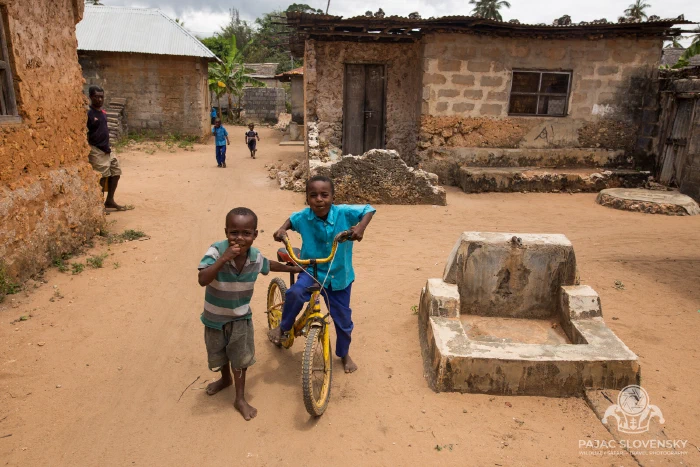
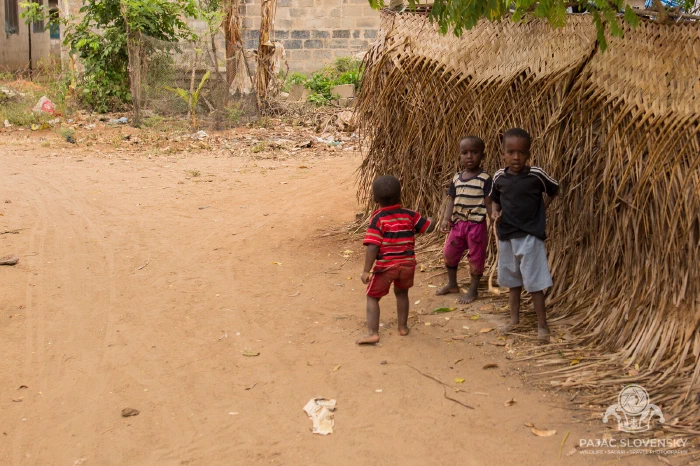
By mid-morning we were wandering the lanes of Uzi village at walking pace, which is the correct speed for a place like this. Children annexed us almost immediately. Three of them had converted a tractor tyre into a reading nook; two boys posed for a portrait until one of them was undone entirely by his own giggles. Photographing people is different from photographing leopards — you ask first, and payment is showing them the screen — but the alertness it demands is exactly the same.

The Baobab with a Heart of Bees
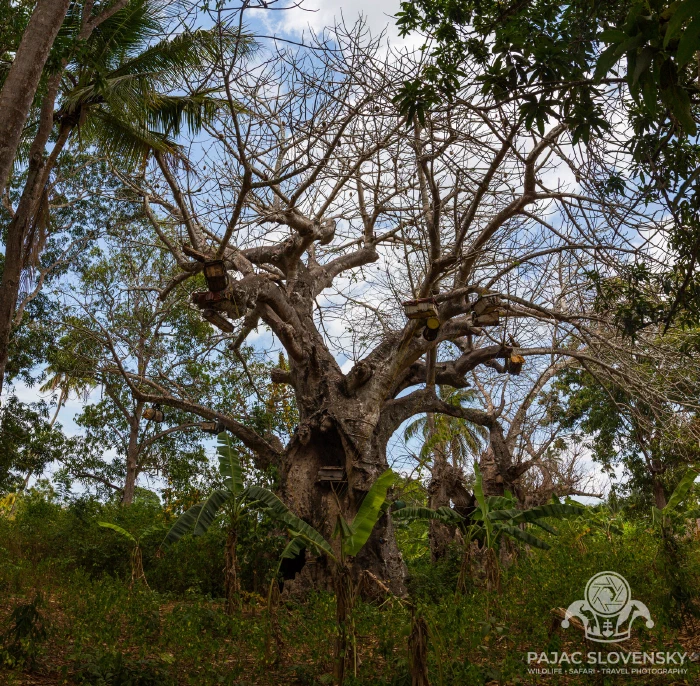
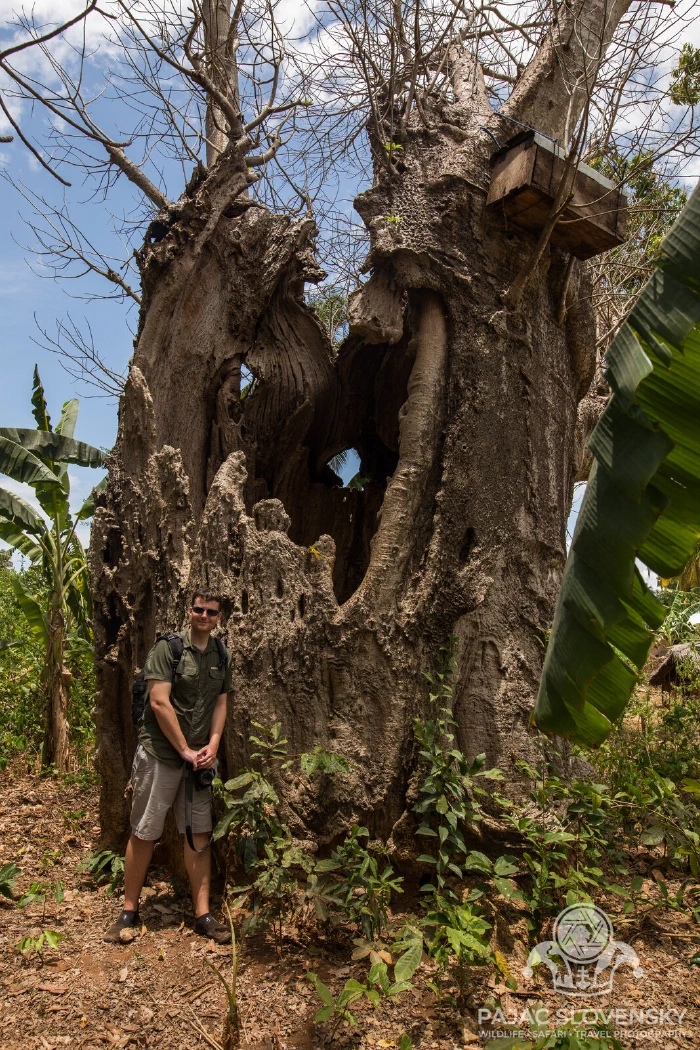
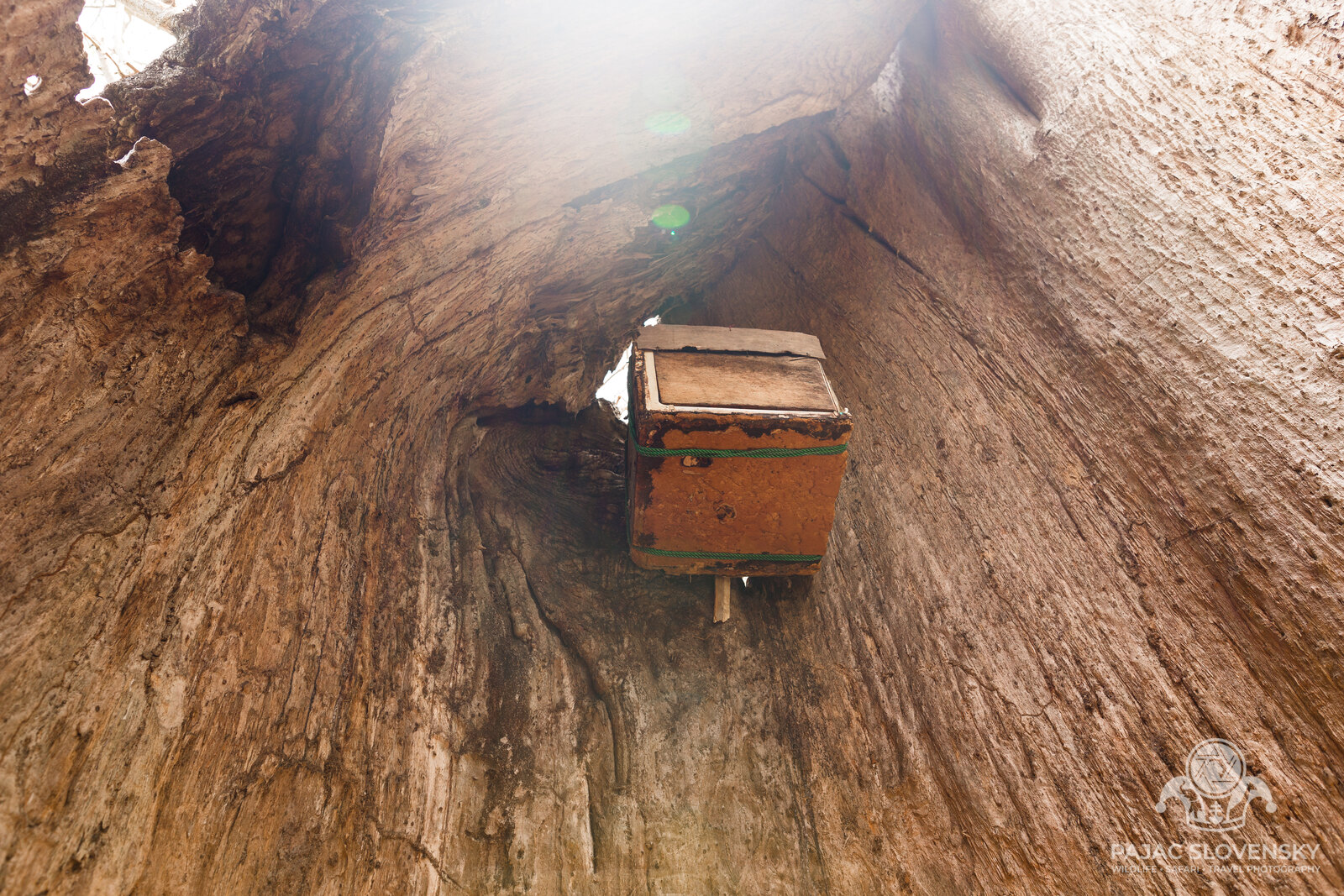
At the southern edge of the village, on the way toward Ng’ambwa — Uzi’s second village — stands the island’s elder: a baobab so old it has gone hollow, its trunk split open like a doorway. Someone had made brilliant use of the architecture. Looking up inside the hollow, in the shaft of light falling from above, hangs a wooden beehive box, mounted where no honey badger or casual thief would ever reach it. A thousand-year-old tree, repurposed as an apiary. It might be the smartest piece of infrastructure I saw in all of Tanzania.
Sixty Faces at the Window
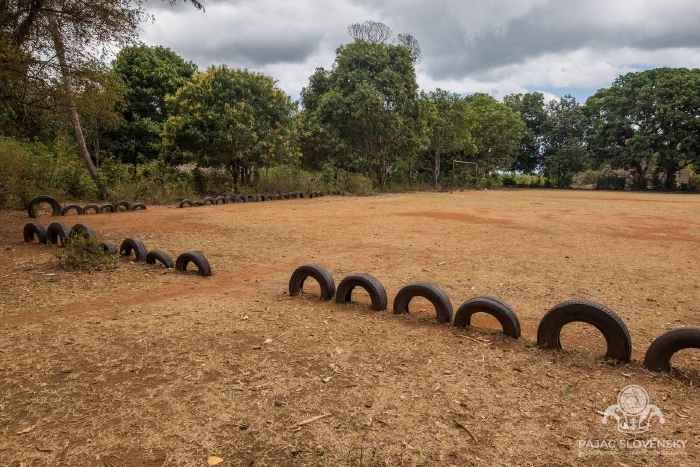
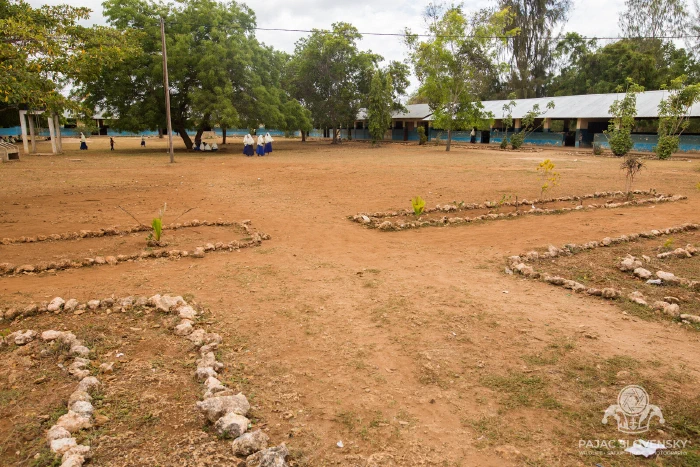
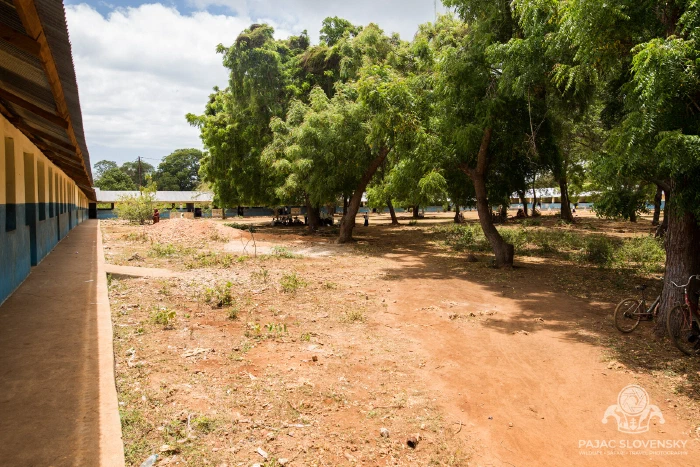
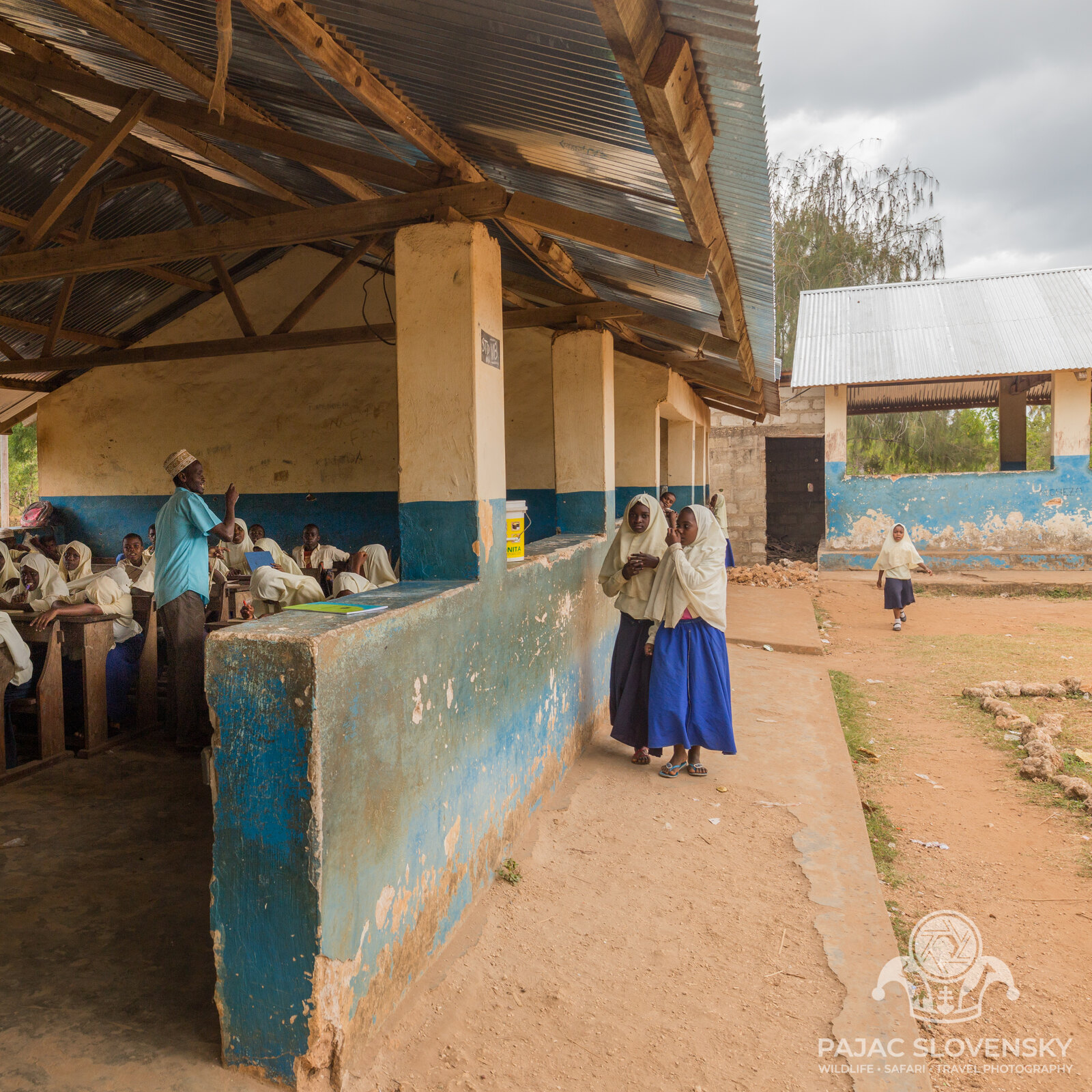
The heart of the visit — the reason it deserves the word expedition rather than detour — was the village school. The playground is ringed with half-buried truck tyres, the paths marked out in white-painted stones, and the classrooms were full past any European fire code: girls in white hijabs and blue skirts packed three to a bench, boys lining the walls, and every single face swivelling to the door when we appeared. The teacher carried on from his desk with the patience of a man long used to his lessons competing with the outside world.
We had come, in the way of small expeditions, with notebooks and pencils to hand over — a gesture that felt tiny against sixty pupils to a room. What I took away was louder than what we left: the roar of a classroom reciting in unison carries across the whole schoolyard, and it is the most optimistic sound I know.
The Sea Closes the Door
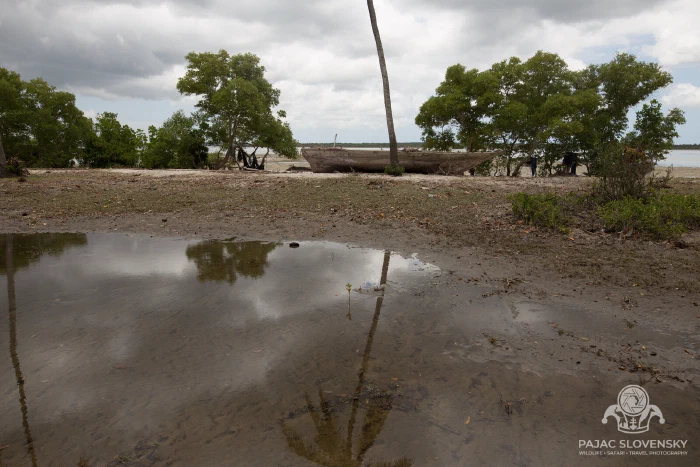
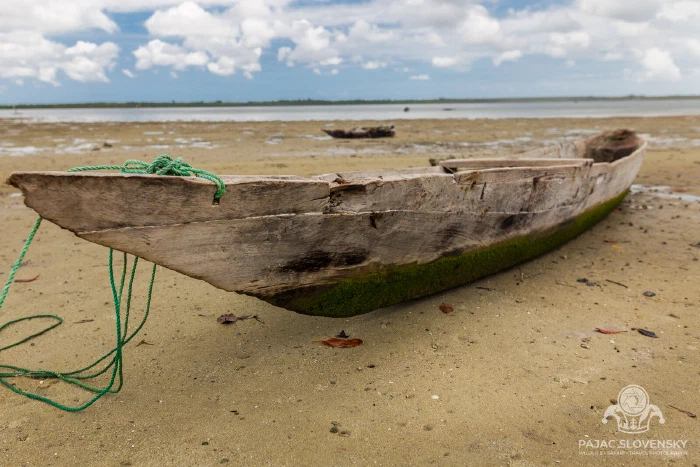
By noon we were walking the shore path past dugout canoes waiting on the flats, and the tide pools were filling rather than draining. By then the road we had walked in on simply no longer existed. This is the fact of life that shapes everything on Uzi — school schedules, market days, medical emergencies — and for one afternoon it shaped ours.
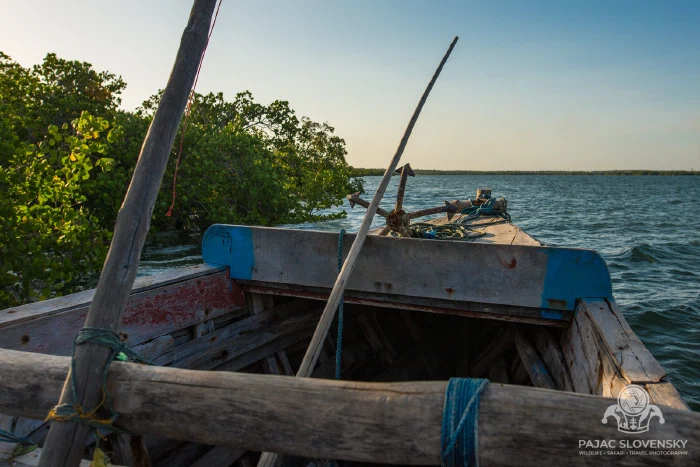
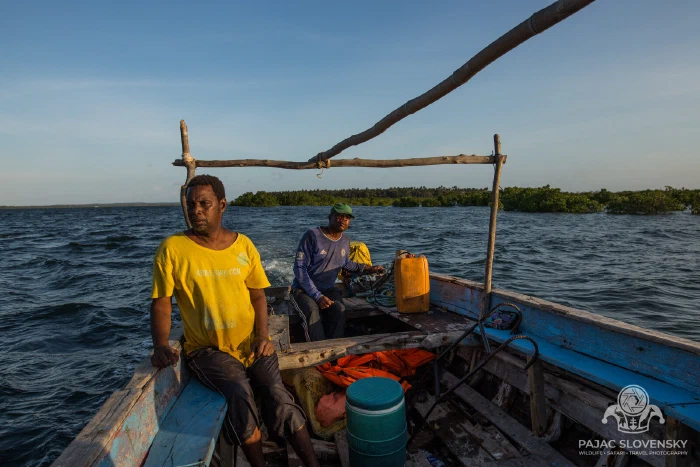
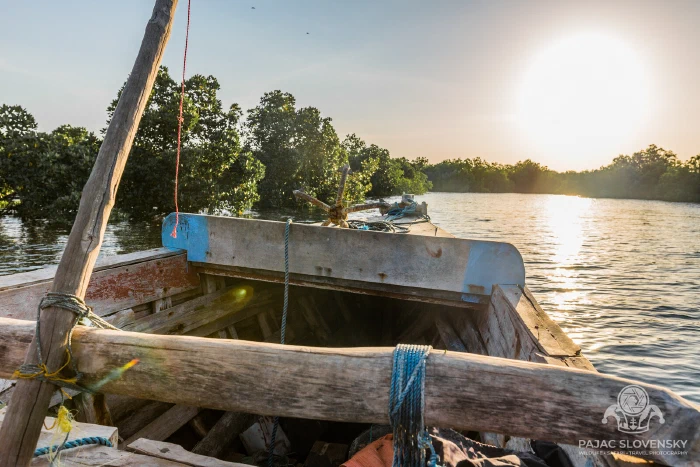
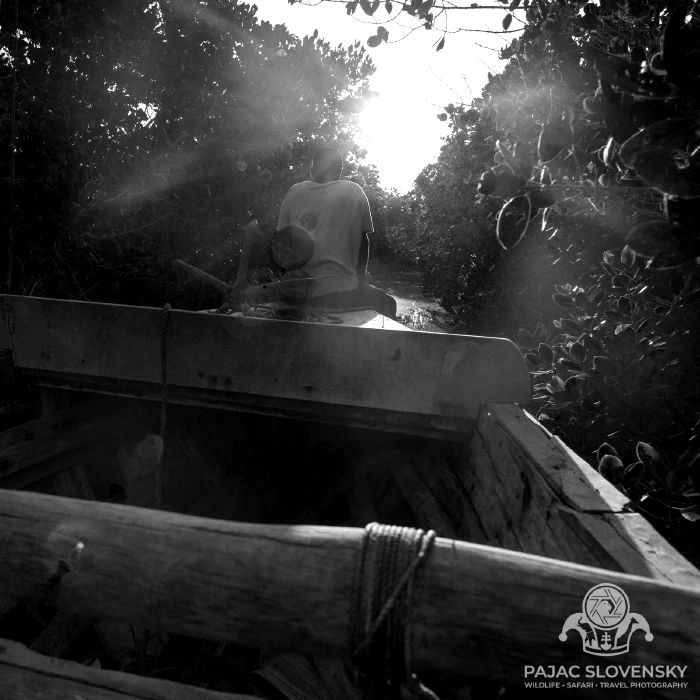
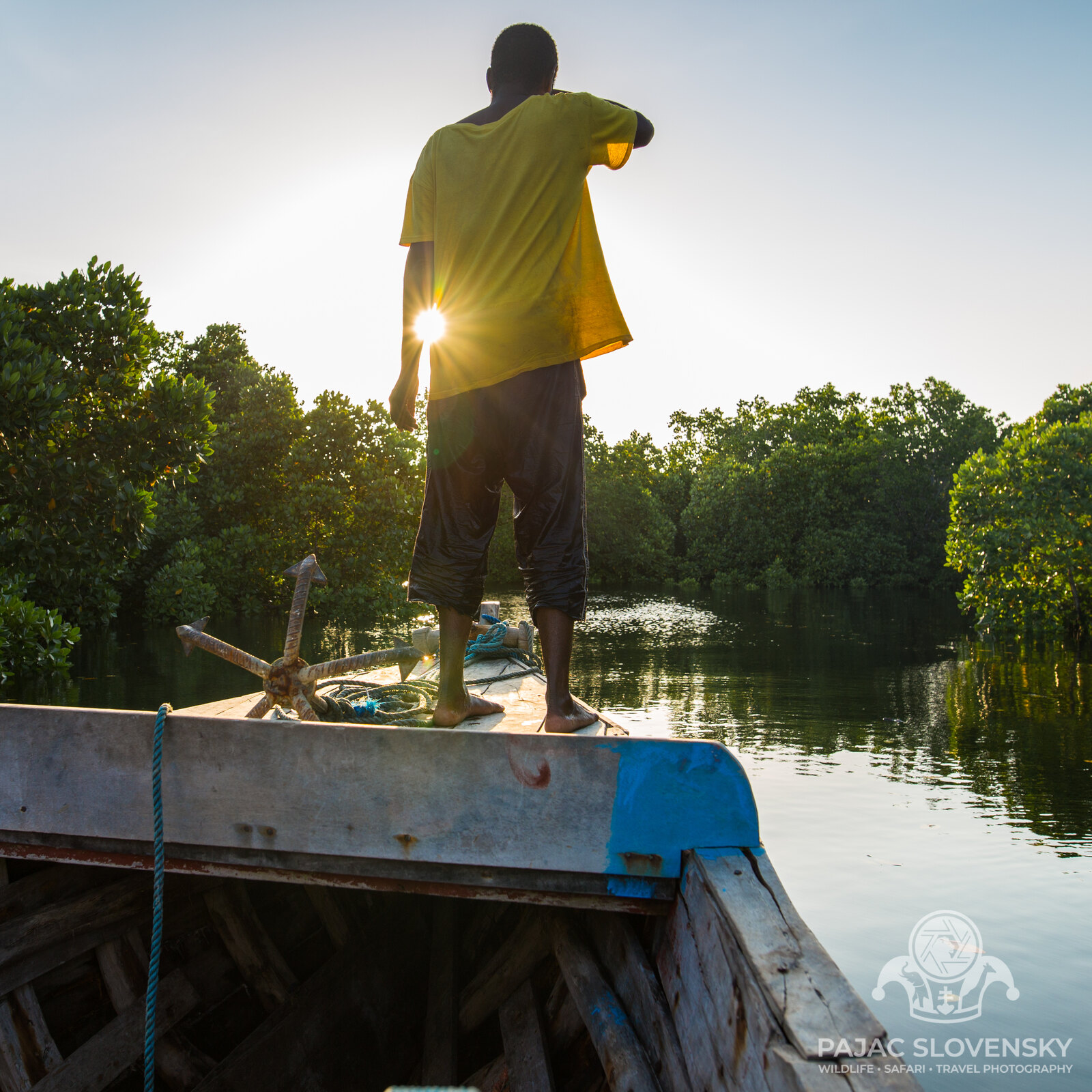
So the day ended the only way it could: in a wooden boat, riding the high tide home through the mangrove channel. Our boatman stood at the bow, reading the channel, the sun dropping gold behind him — and the crossing that had taken an hour of careful walking in the morning took fifteen easy minutes on the sea’s terms.
Uzi asks almost nothing of a visitor except good timing and good manners, and gives back a whole working world that the beach resorts forty minutes north will never mention. Watch the tide table. Cross while you can.
More from this trip
- Uzi Island — all 64 photographs from the expedition, in the order the day unfolded
- Zanzibar — the earlier visit: Stone Town, Jozani’s mangroves and the east-coast lagoons
- Zanzibar Spice Farm — a later morning among the island’s cloves, nutmeg and cacao
Photographed on 18 October 2016, between the morning and the evening tide. Photographs in the text open in the viewer — click any of them.