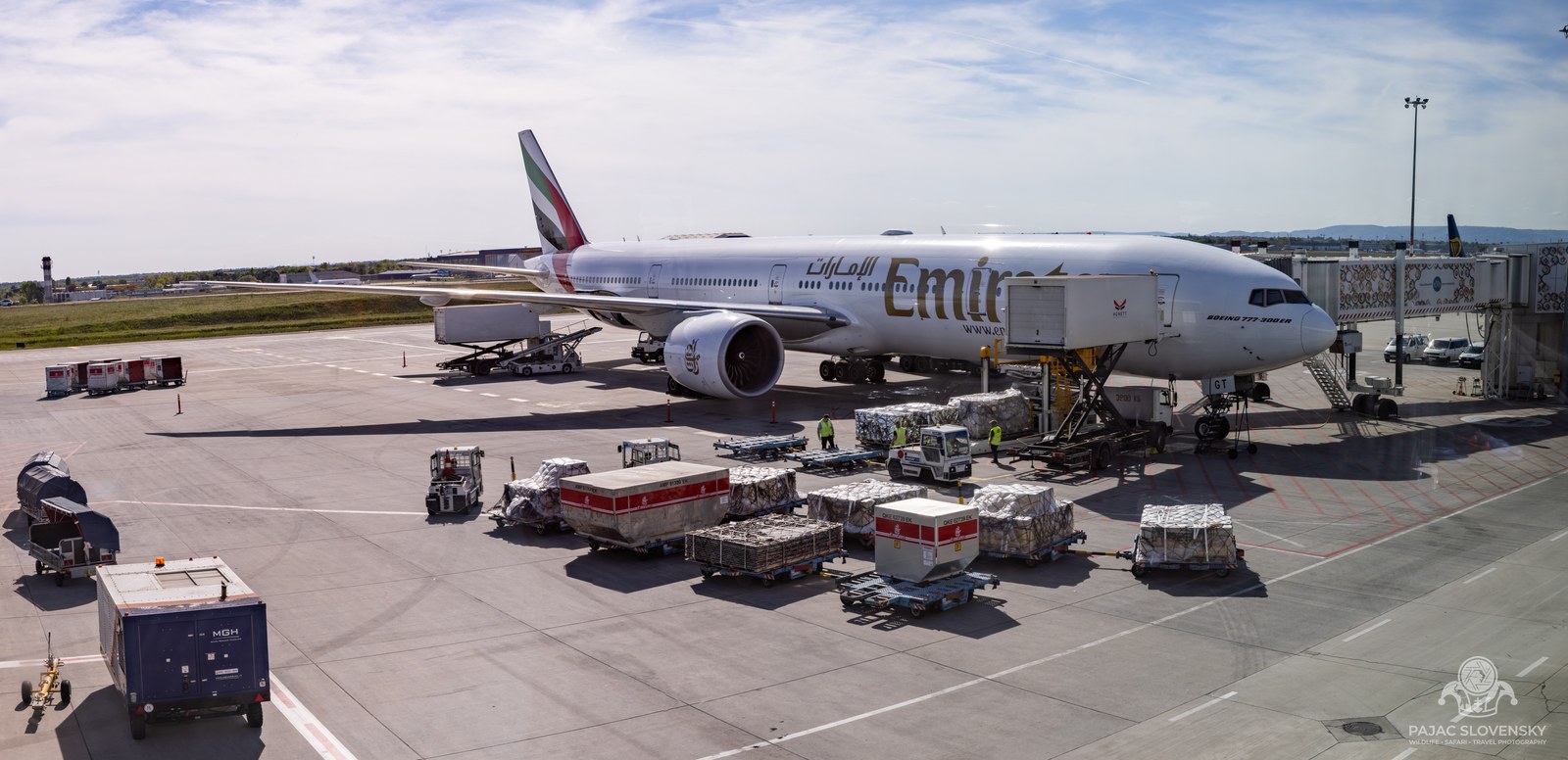
Mauritius sells itself as a honeymoon brochure, and for the first hour off the plane it obliges: sugarcane to the horizon, sega music on the car radio, a lagoon the colour of toothpaste. We landed in the first days of May, at the hinge between the wet season and the austral winter, and drove the length of the island north to Grand Baie — on the left, past temples and cane trucks, in a hire car that would end up doing far more work than any beach towel. Ten days later I flew home convinced that the brochure undersells the place. The interesting island starts where the resort lawns stop.
Click a pin to browse photos from that stop — most link through to the matching gallery.
Storm Light at the Cape of Misfortune
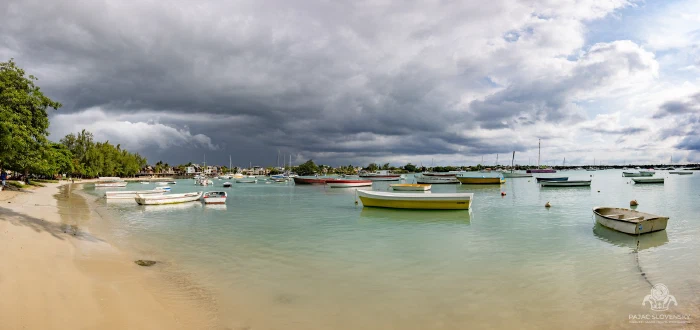
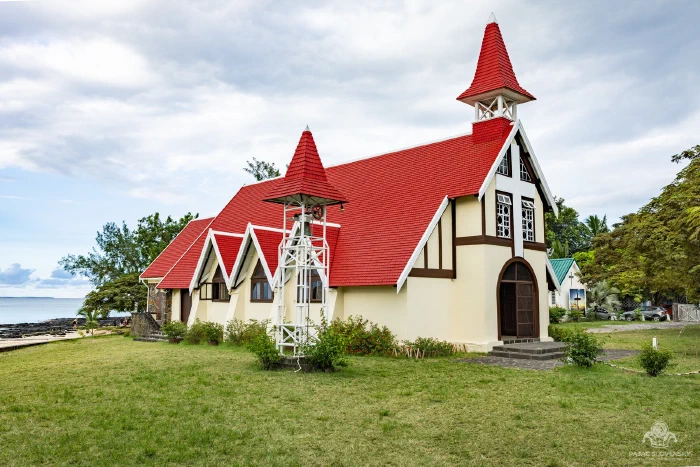
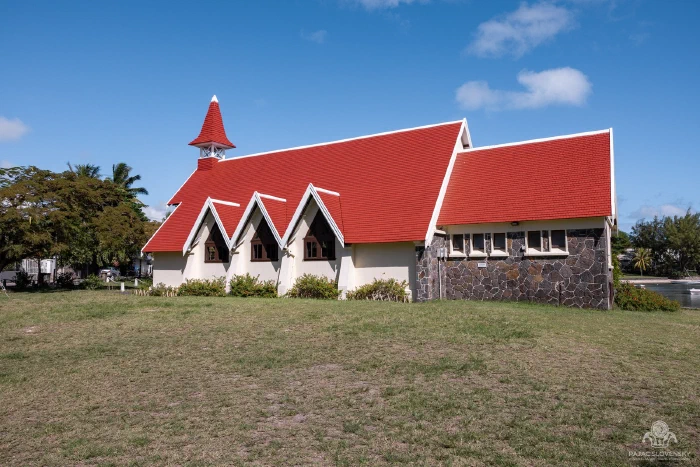
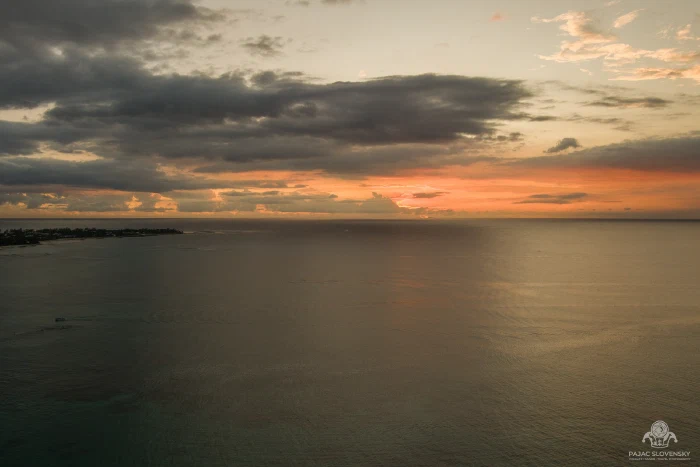
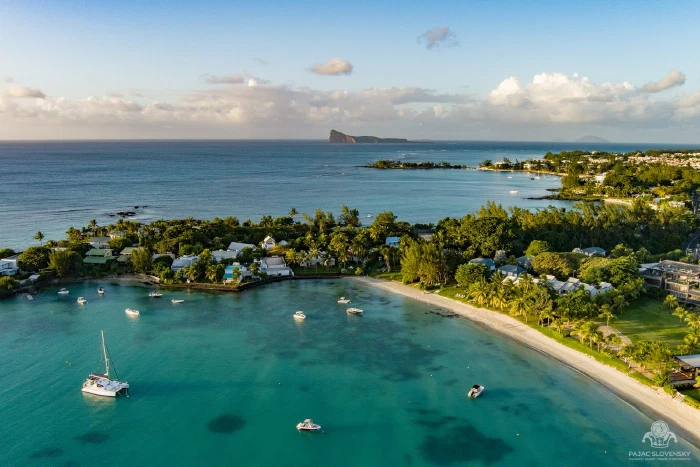
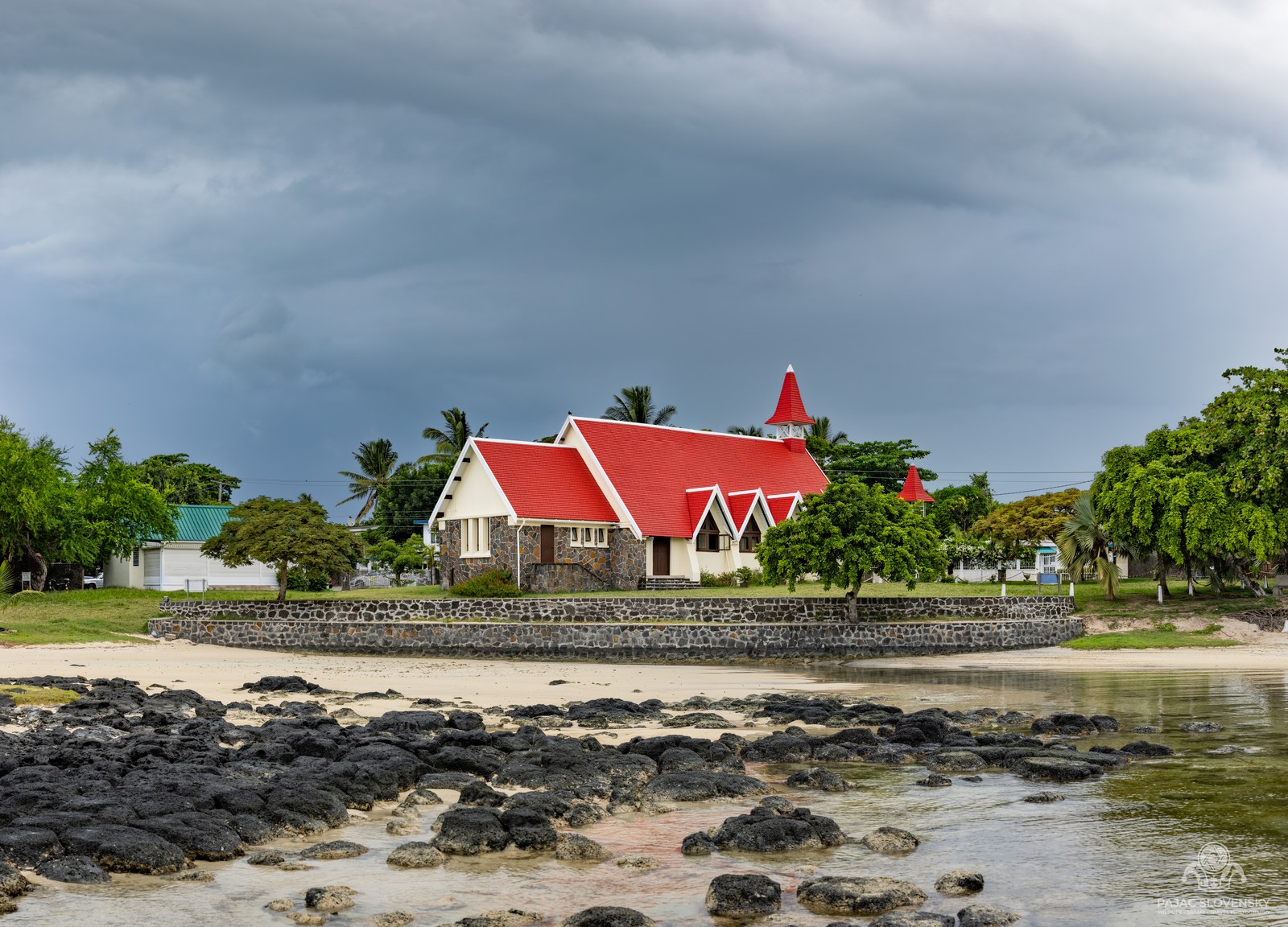
Our base was Grand Baie, a sheltered bay on the northern tip where fishing boats and catamarans ride shoulder to shoulder. May kept sending squalls across it, and I learned quickly that the squalls were a gift: twenty minutes of drama, then washed light that no clear day can match. A few kilometres east sits the most photographed building on the island — the little church of Notre-Dame Auxiliatrice at Cap Malheureux, the “cape of misfortune”, named for the ships the reef here has eaten. Its roof is the red of a ripe lychee, and when a storm stacked up black behind it, the whole scene looked hand-tinted.
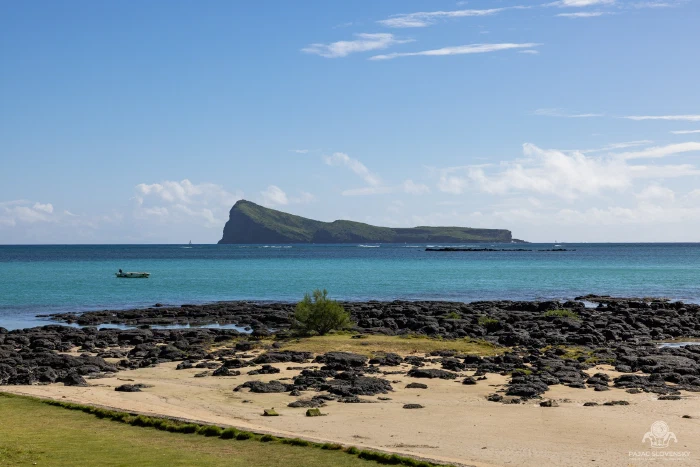
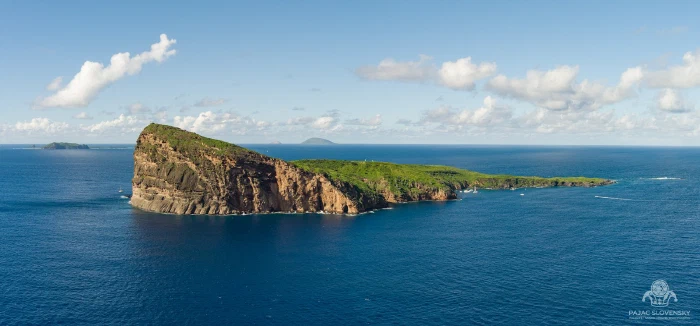
We liked the spot so much we came back two days later in full sunshine, when the lava shore below the church frames the island every postcard here leans on: Coin de Mire, a wedge of basalt tilted out of the sea like the gunner’s quoin it was named after. It sat on our horizon all week, daring the drone to come closer.
The Northern Islets
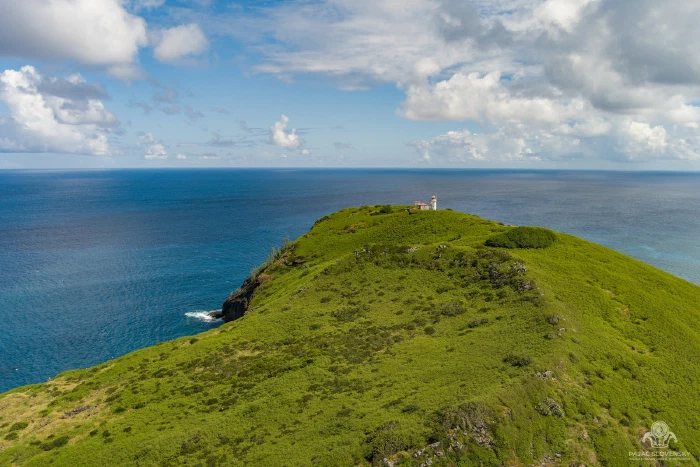
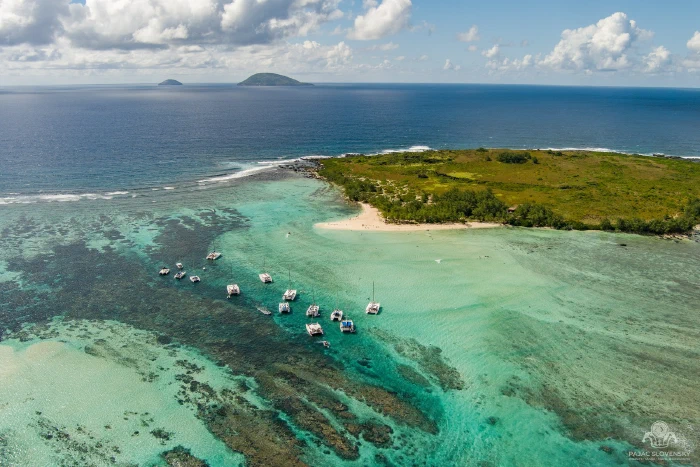
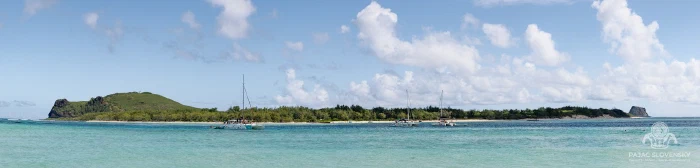
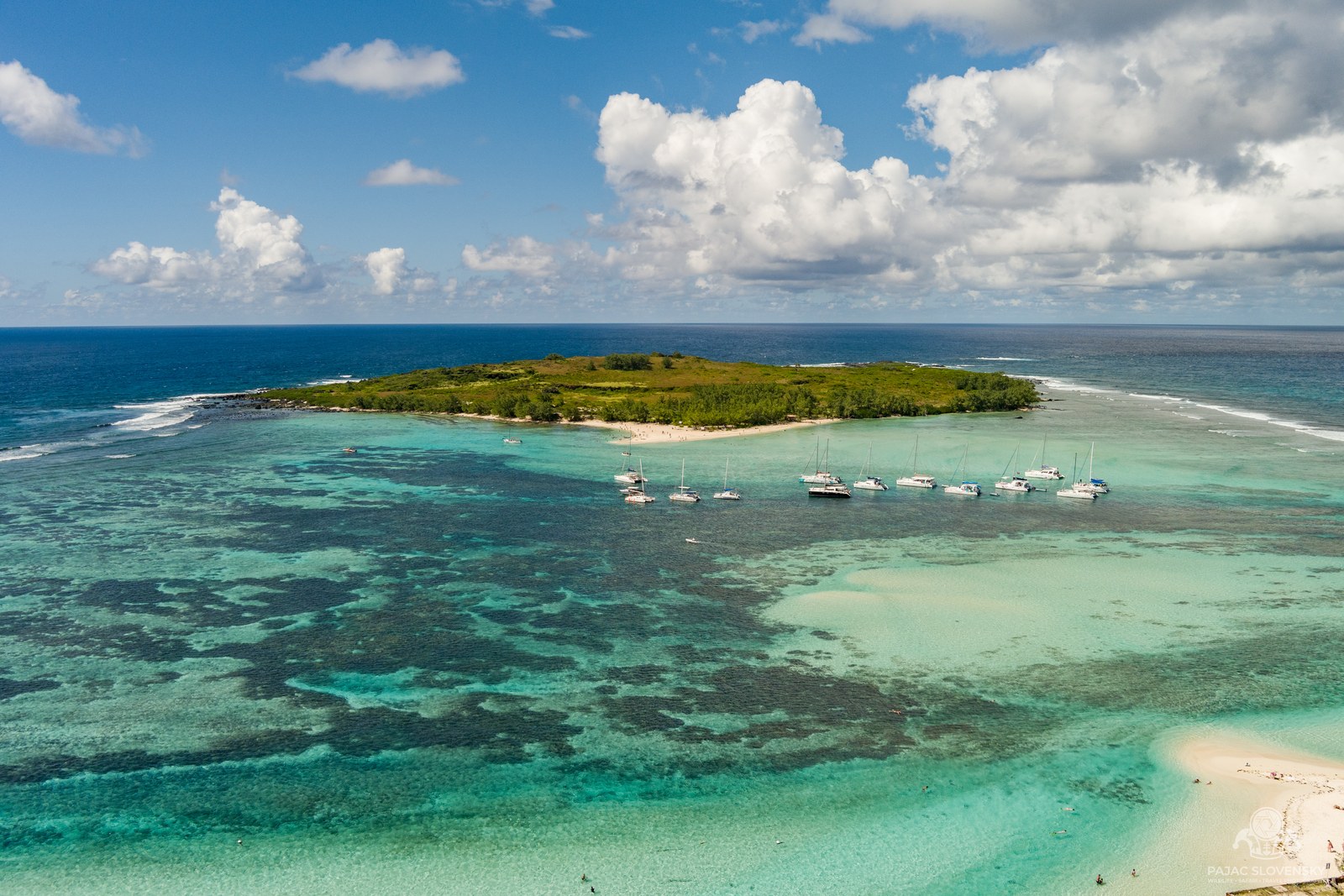
The dare was accepted from a catamaran. North of Cap Malheureux the sea floor drops away, and an hour’s sail brings you to a pair of islets parked on their own reef: Flat Island, with a stone lighthouse from 1855 on its one hill, and little Gabriel Island beside it, where the day boats moor in a line along a sandbank so pale it reads as overexposure. Flat Island spent part of the nineteenth century as a quarantine station for arriving labourers; it is hard to imagine a lonelier posting, or a more beautiful one.
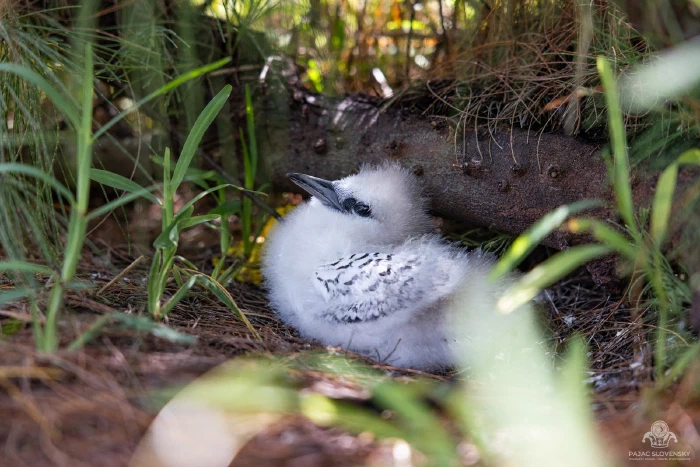
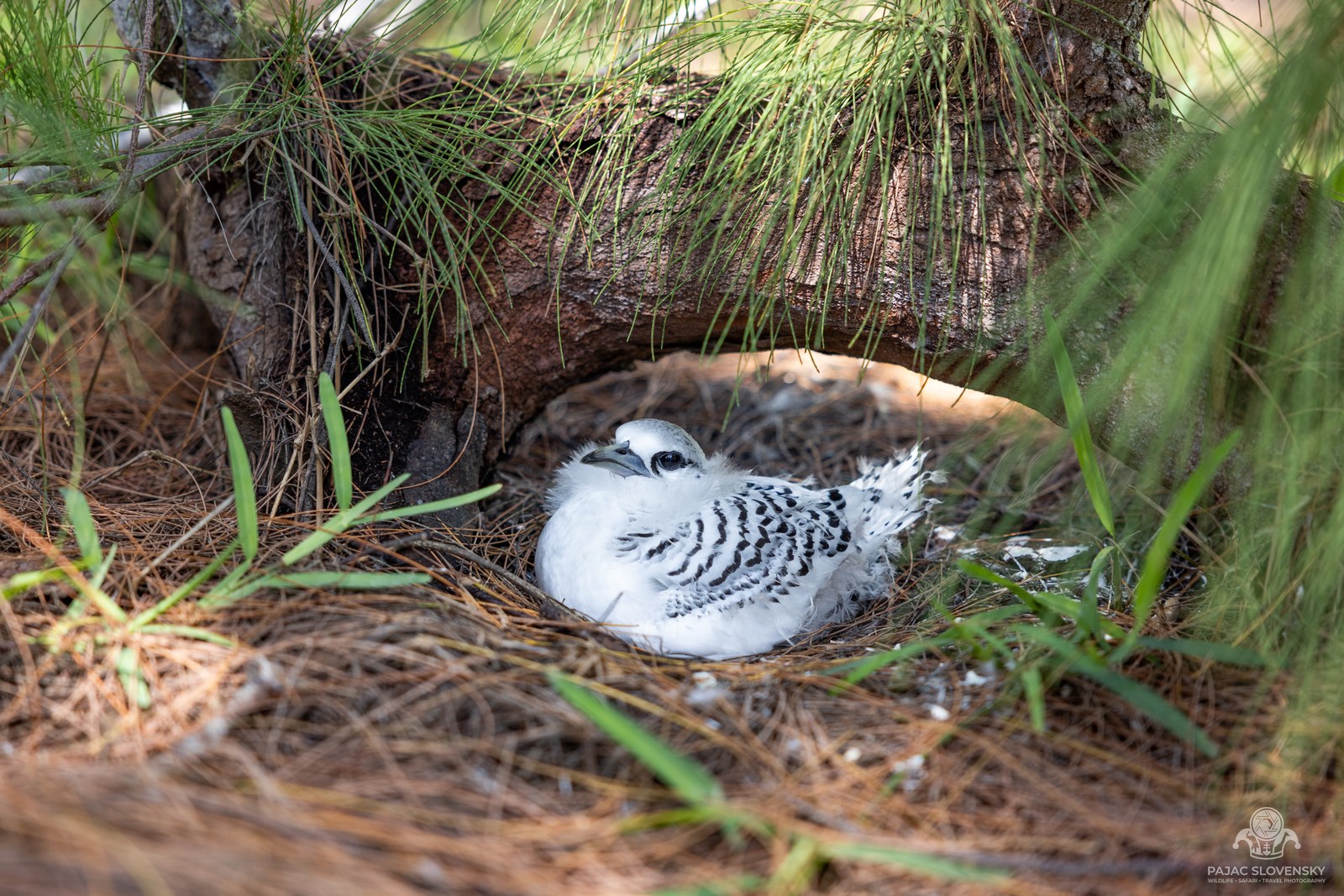
While lunch smoked on the catamaran’s grill, I walked into the casuarina scrub with a long lens and nearly stepped on the best bird of the trip: a white-tailed tropicbird chick, a handful of down and barred feathers, sitting tight on its ground nest among the fallen needles. The adults are the island’s flagship bird — the paille-en-queue that lends its streamer tail to Air Mauritius — but the chick, glaring up with a bandit’s face, stole the day.
On the sail home the skipper anchored under Coin de Mire itself. From sea level it is a cliff; from the air it resolves into a ship’s prow half a kilometre long, green on its sloping deck and sheer on its northern face, with our catamaran a white toy in the blue at its foot. We snorkelled in the shadow of the wall until the light went amber.
Under the Lagoon
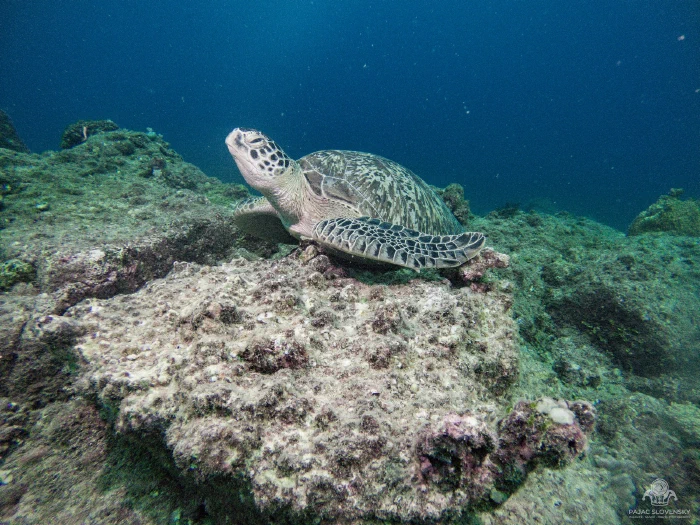
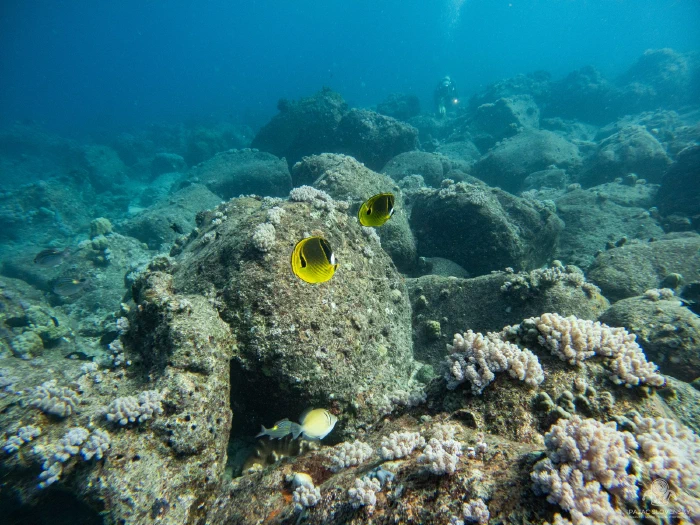
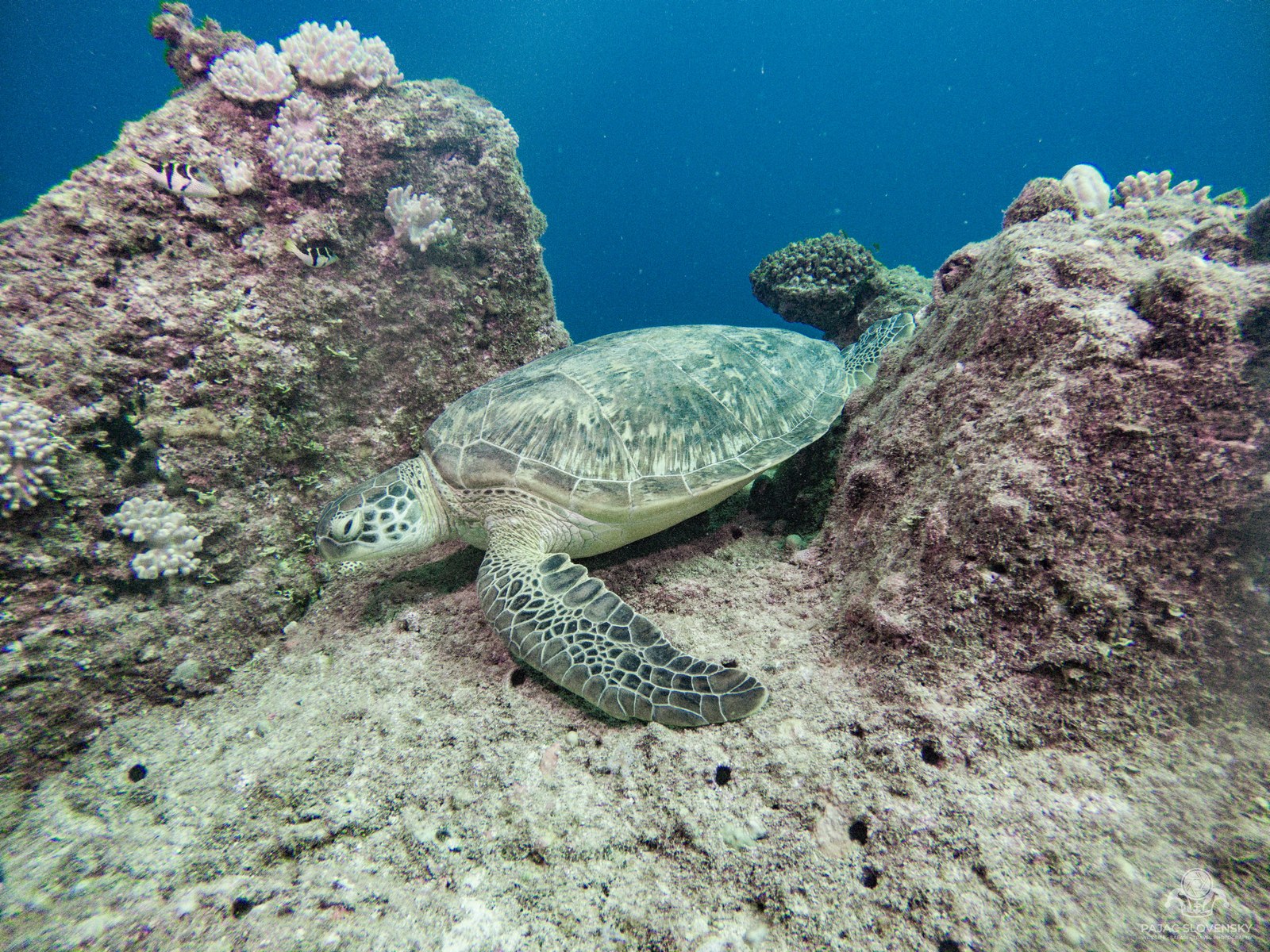
Two mornings belonged to tanks and lead. The dive boats out of the north coast work a string of sites where the lagoon spills over into real ocean, and the first briefing promised turtles with the confidence of someone introducing family. It delivered. Green turtles rest on the coral rock down there the way cats claim sofas — wedged in, flippers hanging, supremely uninterested in the bubbles drifting past. We found three in an hour, each one heavier-lidded than the last.
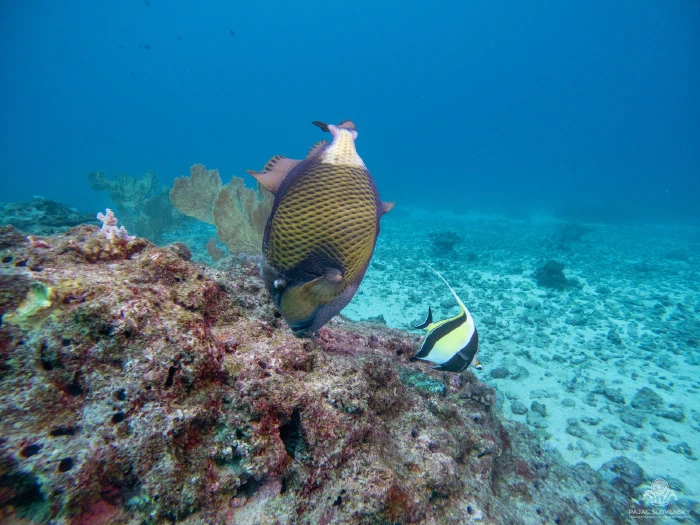
The second day brought the reef’s real landlord: a titan triggerfish the size of a serving tray, upending coral rubble with a moorish idol shadowing it for scraps. Every diver learns the titan’s reputation for defending its patch, so the camera and I kept a respectful lane while it demolished its breakfast.
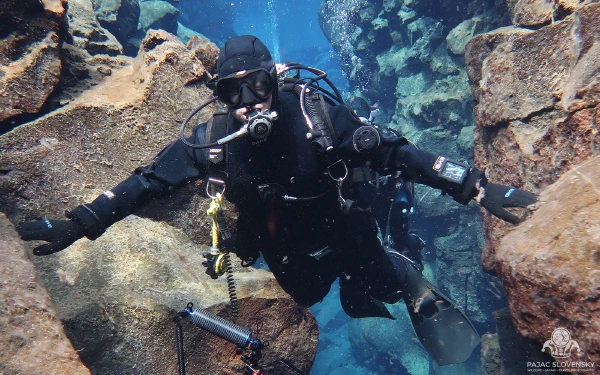
I also carried down the least glamorous and most useful prop I own — a colour checker. Sea water swallows red within the first few metres, then orange, until everything a camera records is a wash of cyan; the little grid of painted squares is how the footage gets its blood back in the edit. Holding it up for the lens at depth, watching known colours read as shades of blue, is the clearest lesson in underwater light I can offer anyone.
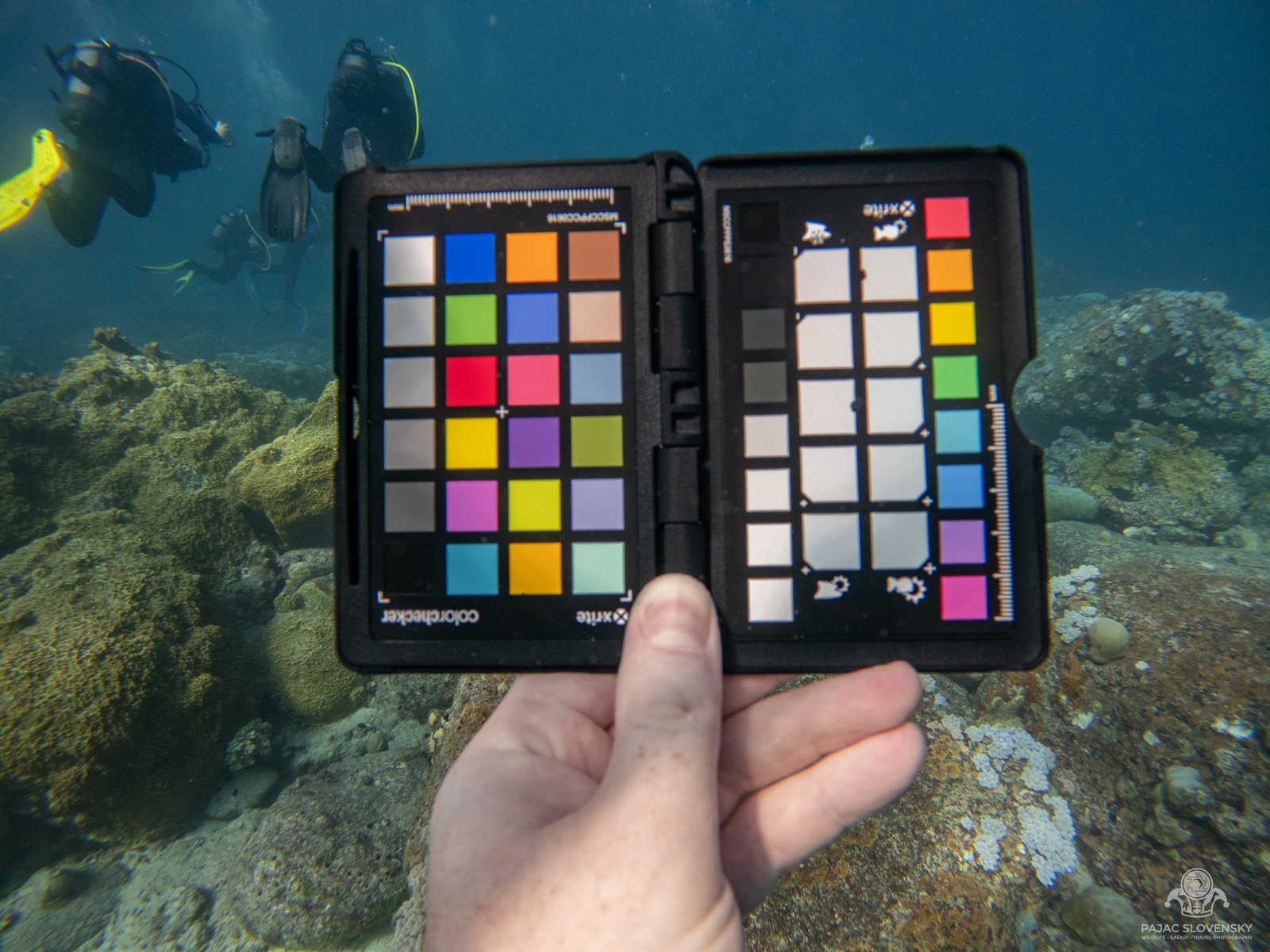
The lagoon is the island’s second country, with its own citizens and its own light. You clear customs by falling backwards off a boat.
The Garden of the Dodo’s Island
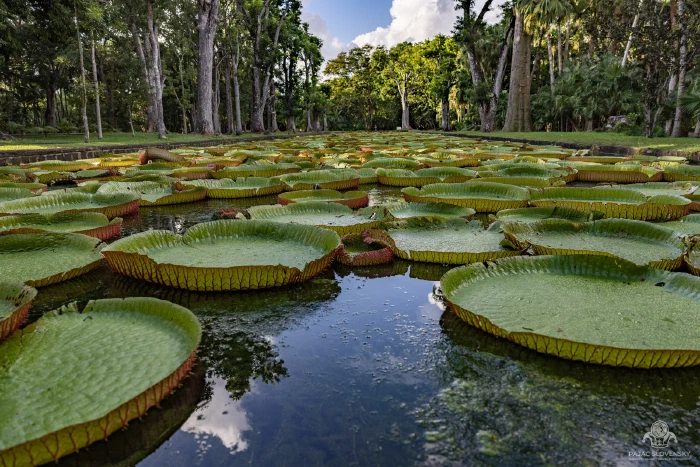
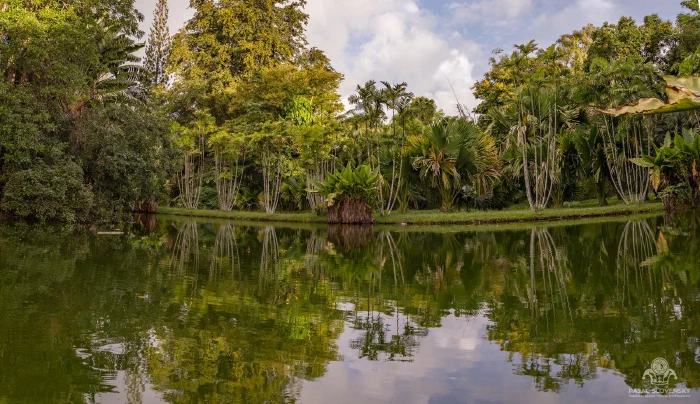
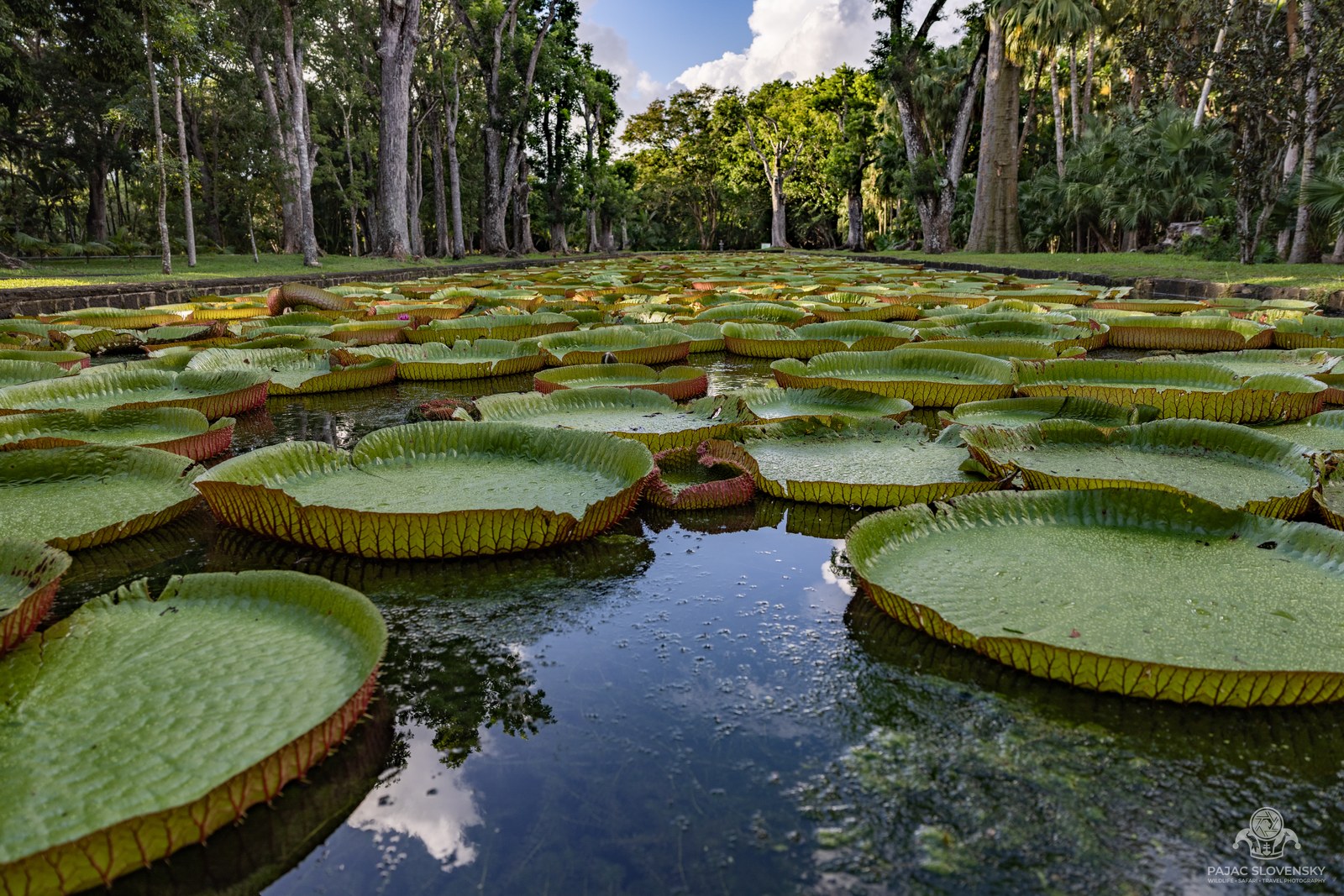
Between dives we spent an afternoon at Pamplemousses, the botanical garden founded in 1770 and the oldest in the southern hemisphere. Pierre Poivre laid it out to break the Dutch monopoly on spices; what survives is an avenue-and-pond kingdom of eighty kinds of palm, ebony and mahogany, and the famous basin where giant Amazonian water lilies raft together like a fleet of green tea trays, each pad big enough to ferry a toddler. The ponds were windless and doubled everything — I shot more reflections that afternoon than plants.
The Road Southwest
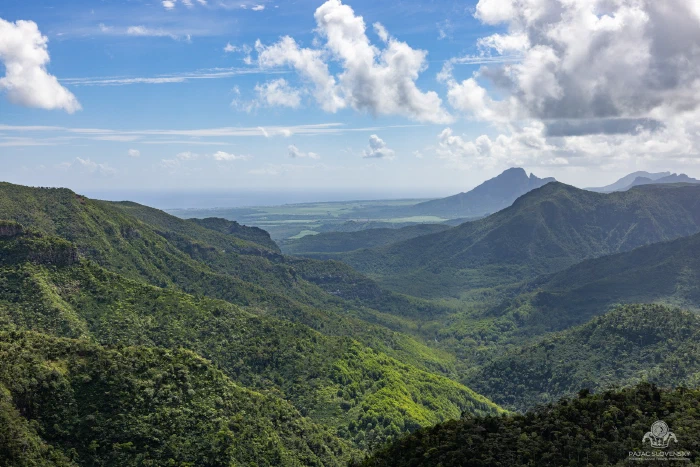
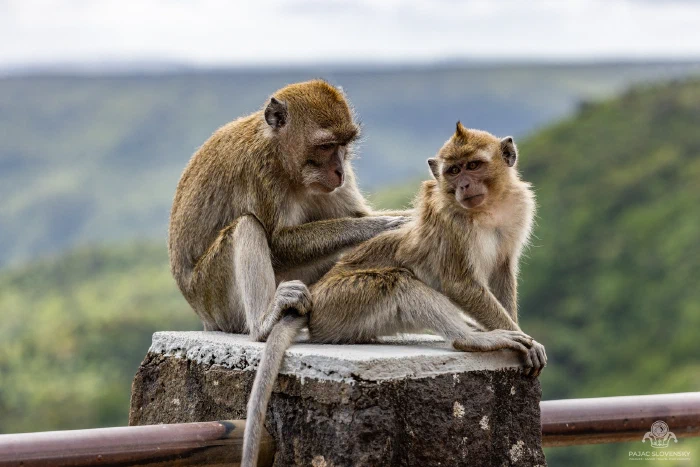
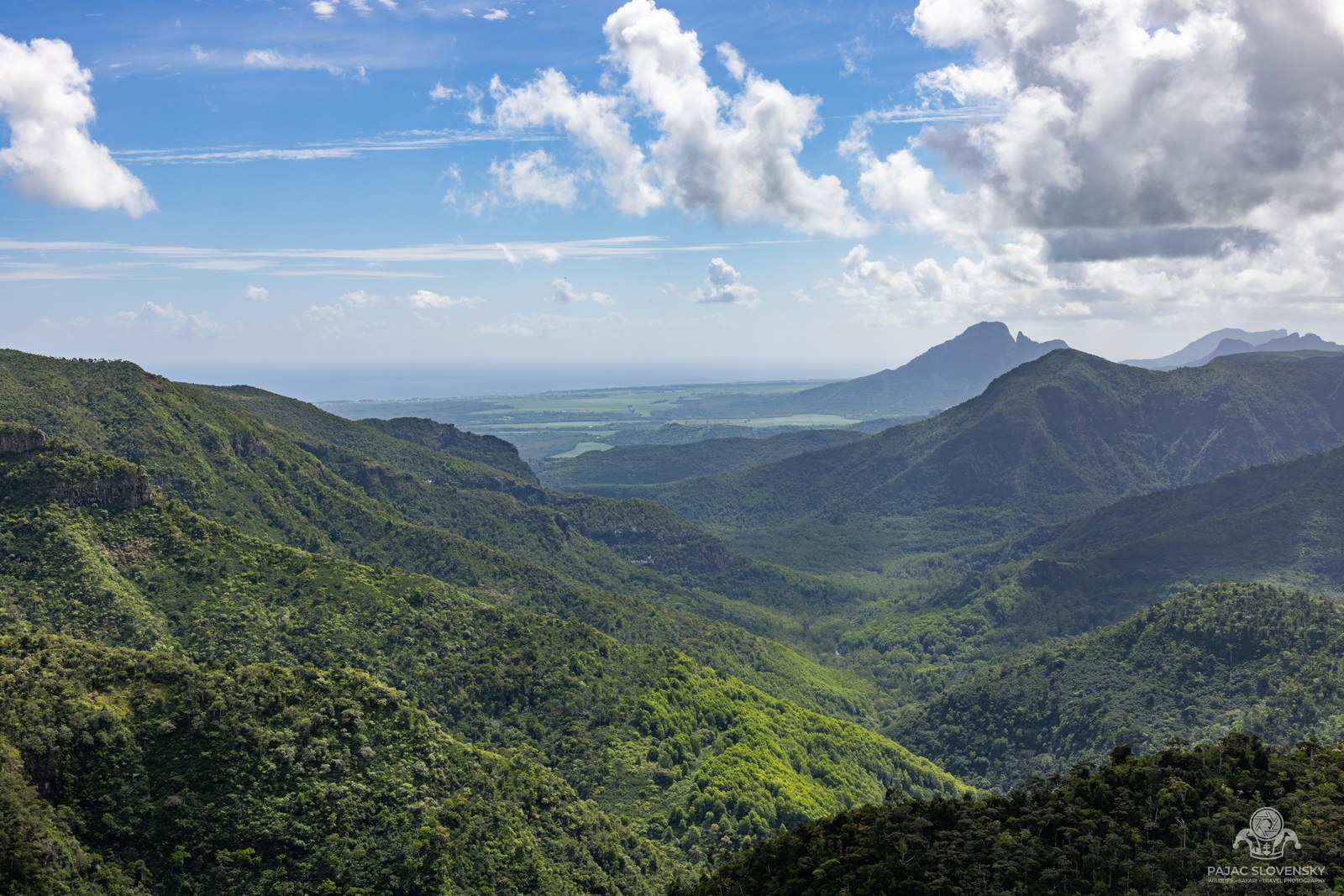
The best driving day on Mauritius runs from the north coast down the western shore and up into the hills — we filmed the whole run from the dashboard, and it plays like a tour of the island’s altitudes: fishing villages, salt pans, then hairpins climbing through cane into cloud forest. At the top, Black River Gorges National Park holds the island’s last real native forest, folded into valleys that run green all the way back down to the coast. The viewpoint railings are staffed by long-tailed macaques — descendants of monkeys ships dropped off centuries ago — who groom each other with the boredom of toll collectors and pose better than most models.
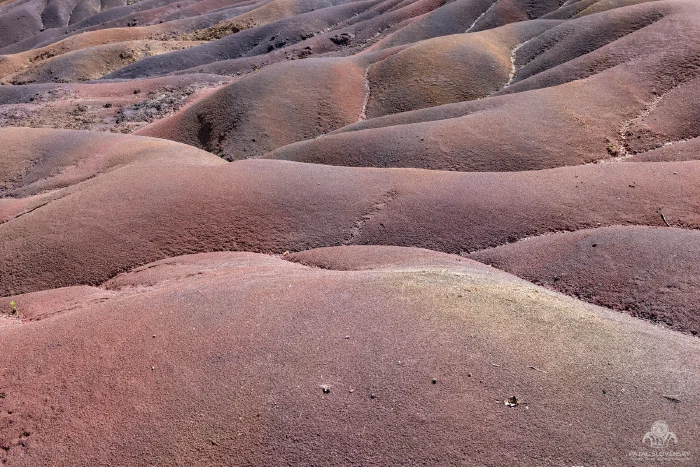
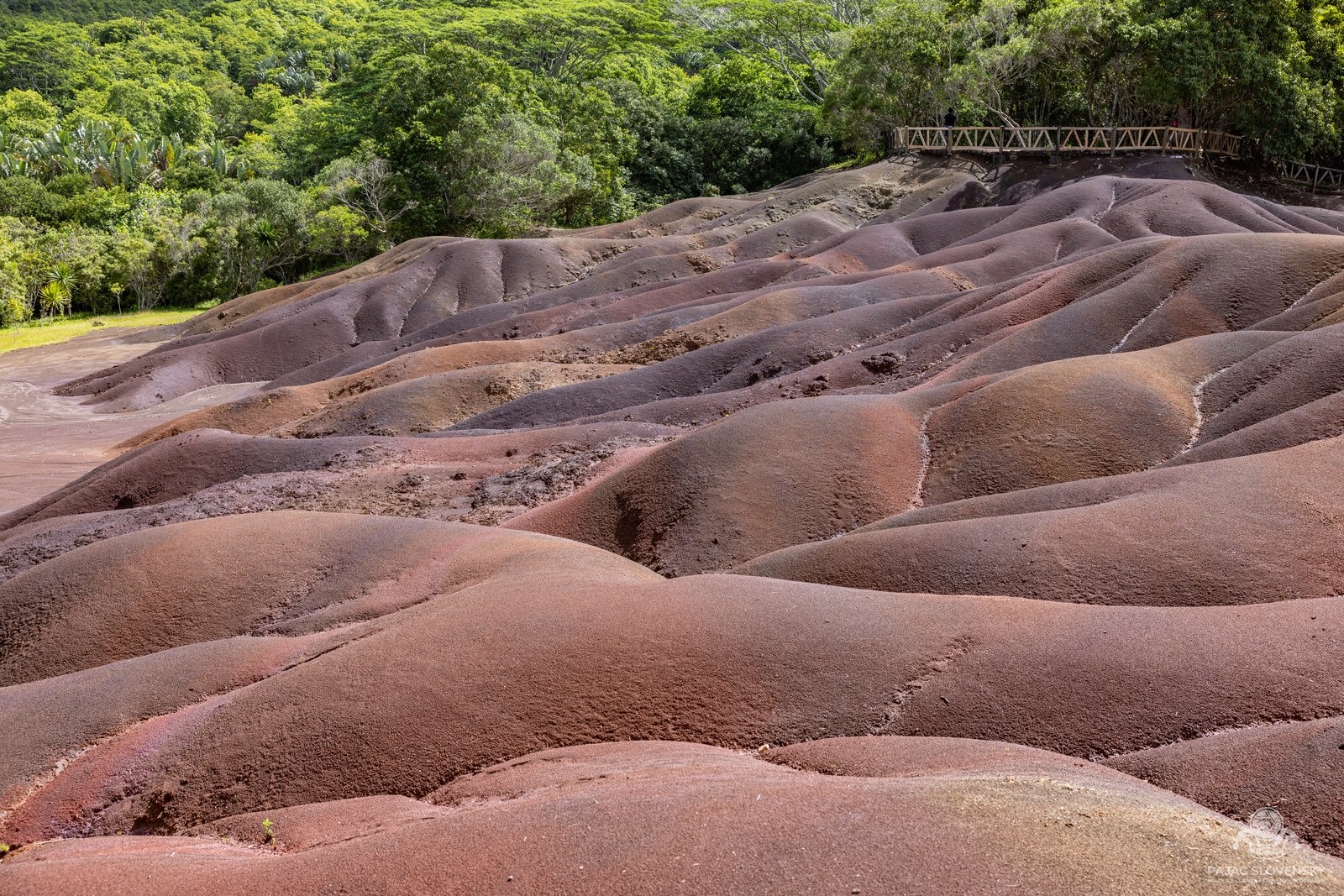
Down the ridge at Chamarel, the forest opens onto the strangest field on Mauritius: the Seven Coloured Earths, a paddock of bare volcanic dunes banded in ochre, rust, purple and grey. The colours are iron and aluminium oxides that settled out of rotting basalt, and they refuse to blend — rain has been trying for thousands of years and the stripes come back sharp after every storm.
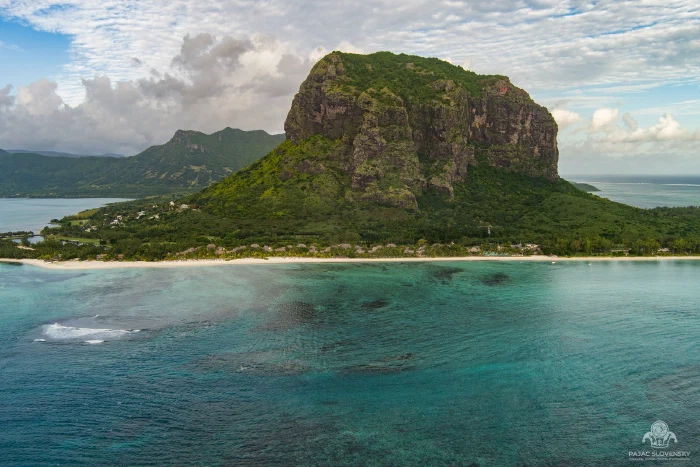
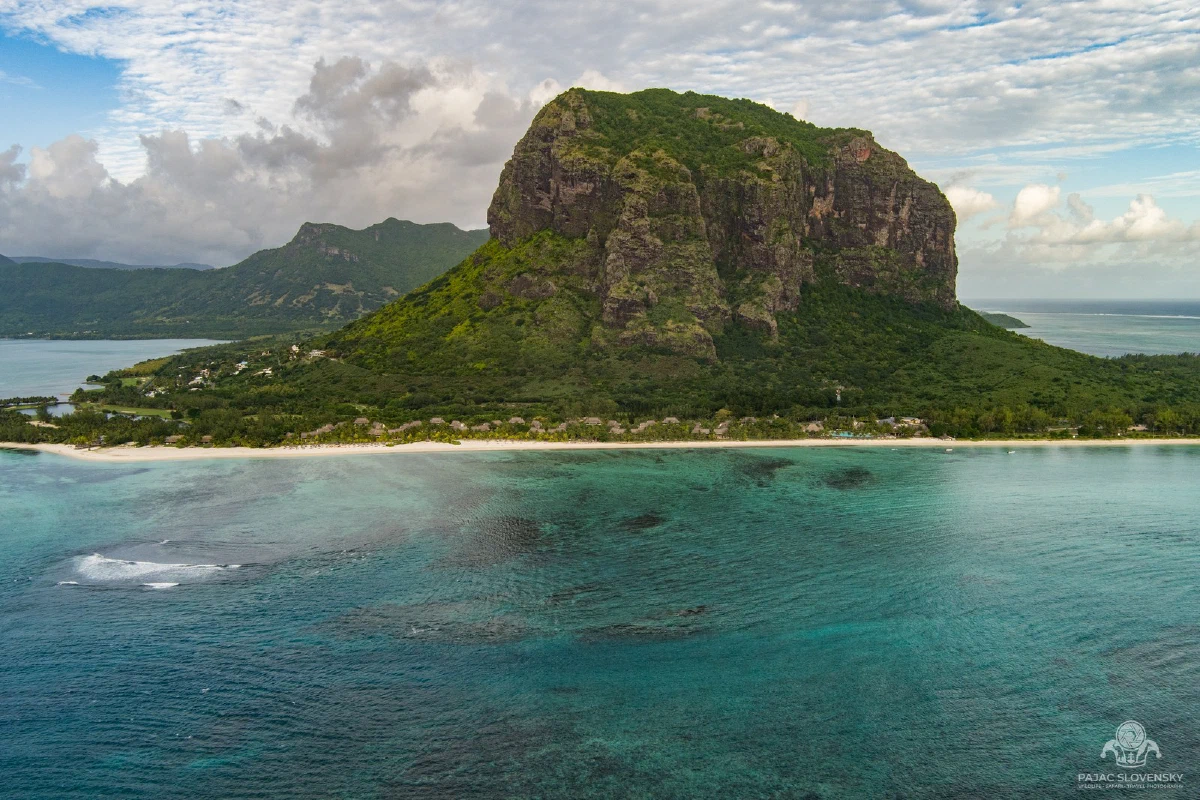
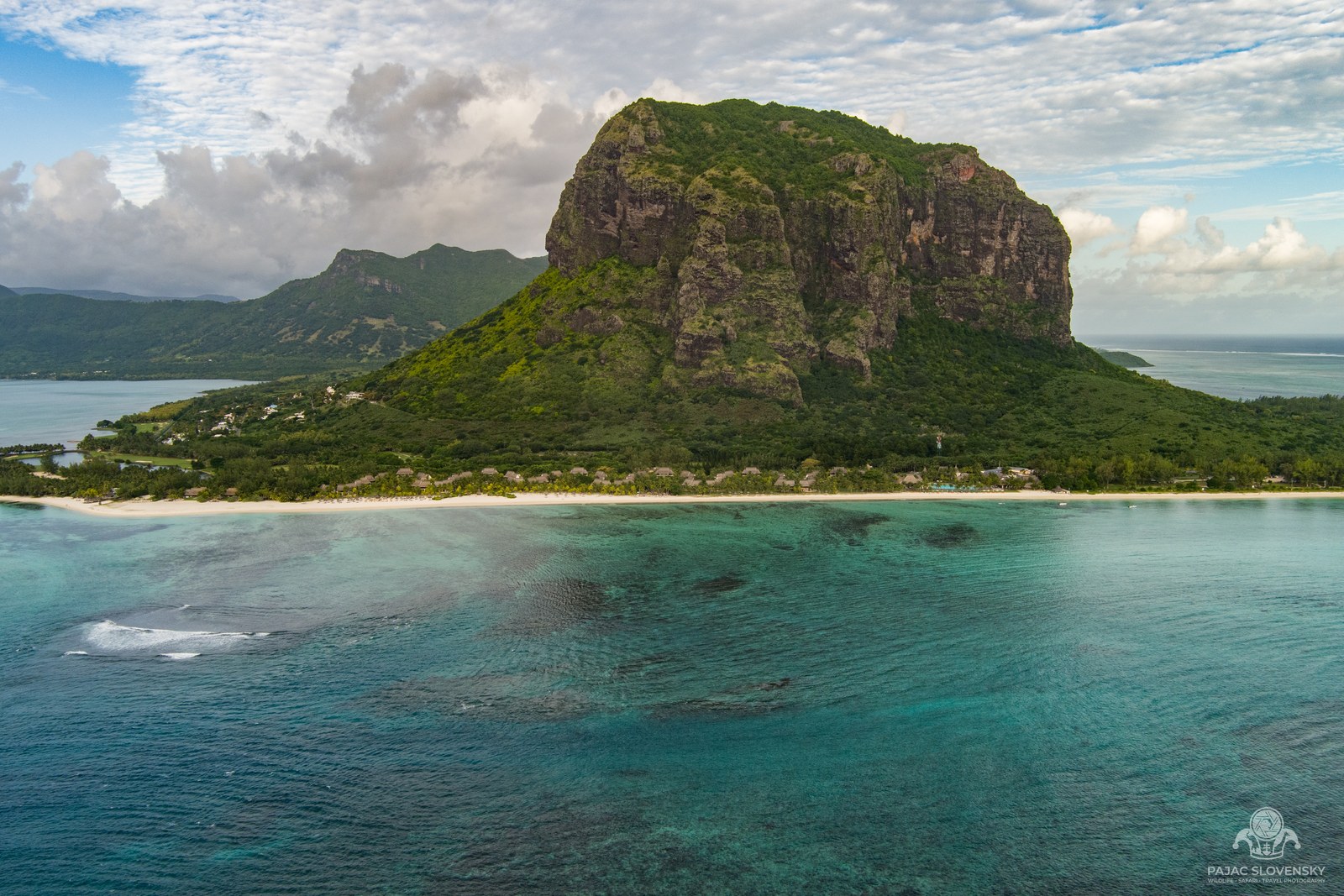
The road ends at the island’s most solemn landmark. Le Morne Brabant anchors the southwestern corner, a basalt monolith moated by the brightest lagoon on the coast. In the years of slavery its summit was a fortress-refuge for maroons — escaped slaves who lived on the cliff tops beyond the reach of the plantations — and the mountain has been a UNESCO World Heritage site since 2008. I sent the drone out over the lagoon in the last good light, and the frame that came back — the dark mountain, the reef drawing a white line around all that colour — became the cover of this trip.
The Island in Motion
Some of what the stills can’t carry — the sail past Gunner’s Quoin, the lagoon colours shifting under the boat, Grand Baie waking up — ended up in a short film cut from the trip’s video:
And for the drivers: the full dashboard runs are on the channel too, from Grand Baie over Chamarel to Le Morne (part 1, part 2) and the final run south, the length of the island to the airport (part 1, part 2) — an honest record of roundabouts, cane fields and one very patient dog.
On the last evening I flew the drone once more over Grand Baie, with Coin de Mire keeping its post on the horizon, and tried to add up what the island had shown us: a quarantine station turned bird sanctuary, a mountain that shelters a history the brochures skip, earth in seven colours and a lagoon with citizens of its own. Ten days was enough to love it and nowhere near enough to finish it.
More from this trip
- Mauritius — 29 photographs from land and air: Cap Malheureux, the northern islets, Pamplemousses, Chamarel and Le Morne
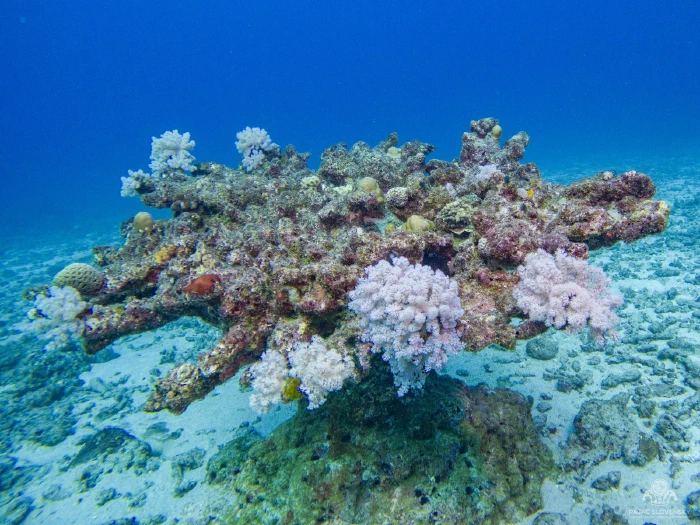
- Mauritius — Underwater — 18 frames from the northern reefs: green turtles, a titan triggerfish and coral bommies in blue water
- Mauritius 2023 in 4K — the trip’s short film
- Driving in Mauritius — dashboard runs: Grand Baie → Chamarel → Le Morne, part 1 · part 2 · Grand Baie → MRU airport, part 1 · part 2
The route above follows the May 2023 itinerary. Photographs in the text open in the viewer — click any of them.